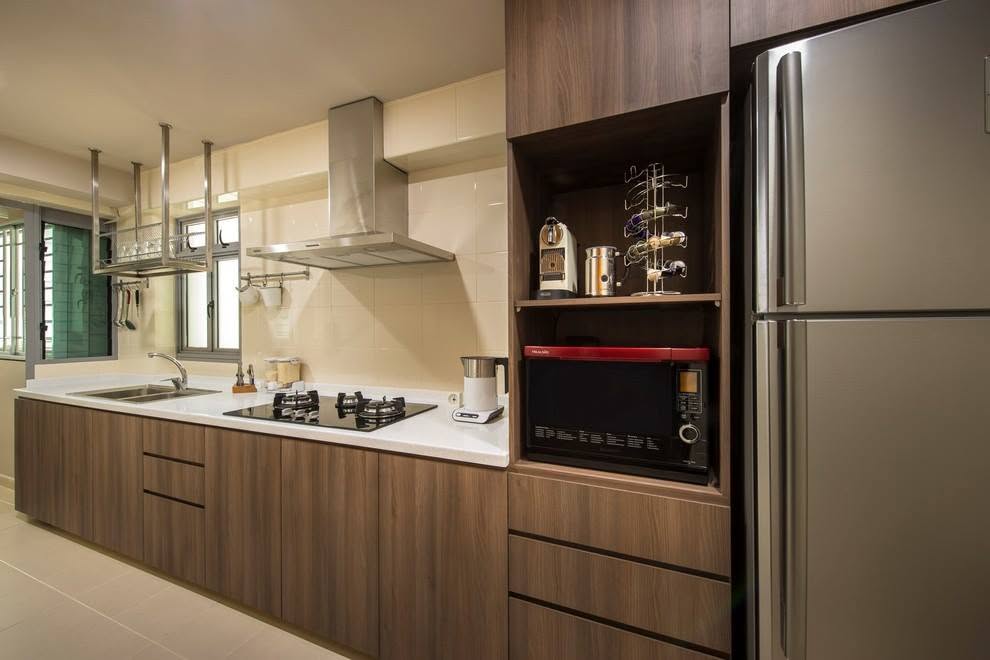

Custom cabinets represent a significant investment in your Los Angeles home, transforming both functionality and aesthetic appeal. Unlike stock options, custom cabinetry is designed specifically for your space, accommodating unique dimensions, maximizing storage efficiency, and reflecting your personal style. However, the cabinet maker workflow involves multiple phases, careful planning, and coordination with licensed professionals who understand LA's specific building codes, permit requirements, and HOA regulations.
This comprehensive Los Angeles installation guide walks you through the entire custom cabinet design process from concept to build, covering initial consultation through final inspection. You'll learn the seven key phases spanning the typical project timeline, understand cost factors and budget considerations, discover how to vet and select qualified contractors, and gain insights into maintaining your investment for decades to come.
Whether you're planning a complete kitchen remodel or updating a single room, understanding this process helps you make informed decisions and achieve the results you envision.
Key Takeaways
The custom cabinet design process follows seven distinct phases over 10-16 weeks, though complex projects may extend to 18+ weeks. The timeline moves from consultation through design development, material sourcing, fabrication, site preparation, installation, and final inspection. Each phase builds on the previous one, requiring homeowner approvals at critical decision points before advancing to the next stage.
The consultation phase takes 1-2 weeks and establishes the project foundation. The designer conducts in-home measurements, capturing wall dimensions, ceiling height variations, window and door placements, and appliance locations. You'll discuss aesthetic preference,s including cabinet styles, door designs, and finishes, plus storage needs like drawers, pull-outs, and organizational features. The designer shares their portfolio while you discuss budget and timeline expectations.
Design development takes 1-2 weeks and transforms your vision into detailed plans. The designer creates CAD drawings and 3D renderings showing your final layout. You'll select cabinet materials (solid wood, plywood, or MDF), finishes (paint, stain, or lacquer), and hardware. Storage customization includes soft-close drawers, adjustable shelving, and custom organizational solutions. The design undergoes revisions until you're completely satisfied. Final approval is required before material ordering and fabrication begin.
Precise measurements form the foundation for successful custom kitchen cabinets. Required measurements include:
These measurements ensure cabinets fit perfectly and function properly in your space.
Material selection balances durability, aesthetics, cost, functionality, maintenance requirements, and environmental considerations. Wood procurement takes 2-4 weeks depending on species and availability. Cabinet construction options include solid wood, plywood, or MDF. Finishes range from paint to stain to lacquer. Hardware encompasses handles, knobs, hinges, and drawer slides. Designers provide material samples for final approval before fabrication begins, ensuring the selections meet your expectations and budget.
The first meeting involves an in-home visit where the designer takes precise measurements and assesses your space. You'll discuss aesthetic preferences, lifestyle needs, storage requirements, cooking habits, and organizational challenges. The designer shows their portfolio while establishing budget and timeline expectations. Transparency during this initial meeting prevents misunderstandings and sets realistic project parameters.
Ask these essential questions during your consultation:
For more guidance on evaluating contractors, see our detailed guide on choosing the right custom cabinet maker in Los Angeles.
Collaboration centers on clear communication and iterative refinement. Designers share ideas through detailed drawings and 3D renderings, establishing feedback loops for your review and comments. They adjust designs based on your input while keeping you informed of progress. Professional designers address concerns promptly and resolve issues proactively. Multiple iterations continue until you're completely satisfied, with responsive and transparent communication throughout.
Changes before fabrication typically have minimal cost and timeline impact. After material ordering, modifications become more expensive and time-consuming. During the 6-10 week fabrication phase, significant changes may require restarting portions of manufacturing. Final approval is required before materials are ordered and fabrication begins because post-approval changes lead to delays and additional costs.
Budget overruns stem from multiple factors:
Design errors have serious consequences. Incorrect measurements result in cabinets that don't fit, requiring expensive modifications or complete rebuilds. Poor space planning creates inefficient layouts that don't meet functional needs. Material selection mistakes affect both aesthetics and durability, leading to premature wear or damage. Errors discovered during fabrication may require restarting affected components, extending the project by weeks.
Quality control measures prevent these issues through rigorous checks of joinery, finishes, and structural integrity, plus dry-fitting cabinets in the shop before delivery.
Common delay sources include:
The complete custom cabinet process spans 10-16 weeks, though highly detailed projects may extend to 18+ weeks. Here's the phase-by-phase breakdown:
| Phase | Duration | Key Activities |
| Consultation & Measurements | 1-2 weeks | In-home consultation, precise measurements, style discussion, budget/timeline planning, portfolio review |
| Design Development | 1-2 weeks | CAD/3D renderings, material/finish selections, storage customization, revisions and approvals |
| Material Sourcing | 2-4 weeks | Wood procurement, hardware ordering, sample approval |
| Manufacturing | 6-10 weeks | Cabinet construction, shop visits, quality control, dry fitting |
| Site Preparation | 1-2 weeks | Demolition, wall/floor repairs, electrical/plumbing rough-ins, site protection |
| Delivery & Installation | 3-7 days | Cabinet placement/mounting, hardware installation, countertop coordination |
| Final Inspection & Completion | 1-2 days | Adjustments/touch-ups, site cleanup, final walkthrough |
Perfect fit begins with precise measurements from the initial consultation. Installers carefully place, level, and securely mount cabinets to walls, making on-site adjustments to accommodate slight variations in wall angles or floor levelness. Doors, drawers, and hardware are installed and adjusted for proper alignment and function. Many cabinet makers dry-fit cabinets in the shop before delivery to verify fit. Installation is coordinated with countertop installers to ensure a seamless final result.
After installation, several steps complete the project:
Clear the installation area of all movable items including dishes, small appliances, and decorative objects. Remove items from existing cabinets being replaced. Ensure easy access by clearing pathways from the entry to the work area. Protect adjacent rooms and furnishings by covering or moving them away from the work zone. Arrange for pets to be in a separate area during installation. Verify the work area is protected to prevent damage to other parts of your home.
Confirm electrical and plumbing rough-ins are completed if your project involves utility changes. The site preparation phase handles demolition, wall and floor repairs, and electrical and plumbing work during the 1-2 weeks before installation.
Custom cabinets are designed specifically for your space and storage needs, maximizing every inch of available area. They accommodate awkward corners, unusual ceiling heights, and specific appliance dimensions that standard cabinets can't address. Interiors include soft-close drawers, adjustable shelving, and custom storage solutions. Specialized organizers handle spices, pull-out trash bins, built-in dividers for dishes, and custom wine storage.
Custom design utilizes vertical space effectively and creates storage in previously wasted areas, organizing items for better accessibility and functionality.
Custom cabinets perfectly match your aesthetic vision through material selections (solid wood, plywood, or MDF) and finish options (paint, stain, or lacquer). Specific door designs, hardware, and finishes create a cohesive design that matches existing architectural details and complements other design elements.
Custom cabinets can make a bold statement defining the room's character or blend seamlessly with the existing space. They showcase quality craftsmanship through precise joinery, smooth finishes, and structural integrity that's visible in the final result.
Custom cabinets deliver lasting value beyond the initial installation:
Multiple factors determine your final project cost:
| Cost Factor | Impact on Price | Details |
| Materials | High | Solid wood, plywood, MDF have different price points; wood species and availability affect procurement time (2-4 weeks) and cost |
| Design Complexity | High | Intricate details, custom features, organizational elements require additional labor and expertise during 6-10 week fabrication |
| Labor Costs | High | Skilled craftsmen command premium rates; installation takes 3-7 days depending on project size |
| Cabinet Size | Medium-High | Larger cabinets require more materials and labor; full kitchen projects span 10-16 weeks total |
| Location | Medium | LA market rates, permit requirements (LADBS), HOA approval processes (2 weeks to 60 days) affect costs |
| Custom Features | Medium-High | Built-in organizers, soft-close drawers, adjustable shelving, specialized storage increase material and labor costs |
| Finish Type | Medium | Paint, stain, lacquer have different costs and application requirements |
| Hardware Quality | Low-Medium | Premium hinges, drawer slides, handles, knobs add to cost but affect longevity |
Pricing varies based on materials and design complexity:
| Category | Considerations | Timeline Impact |
| Entry-Level Custom | Simpler designs, affordable materials (paint-grade plywood or MDF), standard hardware, minimal custom features | Shorter design development (1-2 weeks), fabrication (6-8 weeks) |
| Mid-Range Custom | Quality wood species, moderate design complexity, good hardware, some custom organizational features | Standard timeline (10-16 weeks total) |
| Premium Custom | Exotic woods, intricate details, high-end hardware, extensive custom storage, complex finishes | Extended timeline (potentially 18+ weeks for highly detailed projects) |
Consult licensed California contractors (verify at www.cslb.ca.gov) for itemized cost breakdowns specific to your project.
Strategic decisions can reduce costs while maintaining quality:
Alternatively, consider cabinet refacing as a budget-friendly option that updates your kitchen's appearance without full replacement.
Proper maintenance preserves your investment and keeps cabinets looking new:
Preventive measures extend the life of your cabinets:
Address minor issues promptly to prevent major problems. Minor finish touch-ups should be handled by consulting your cabinet maker about repair methods for your specific finish type (paint, stain, or lacquer). Hardware adjustments like tightening hinges or realigning soft-close drawer slides can often be handled with basic tools. Professional assistance is recommended for structural repairs, finish restoration, or modifications requiring removing or altering components.
Standard warranties cover one year on workmanship and provide lifetime coverage on components like hinges and drawer slides. Keep warranty information accessible and contact your original cabinet maker for warranty-covered repairs. For modifications like adding shelving or changing hardware, your original cabinet maker is the best resource since they understand the construction and materials, ensuring modifications maintain structural integrity and aesthetic consistency.
Custom cabinets enhance both functionality and aesthetics by being tailored to your space. The process includes a 1-2 week consultation, 6-10 weeks for fabrication, and final installation. Licensed California contractors ensure protection with required insurance and bonds.
Custom cabinets offer improved functionality, timeless appeal, and durability with warranties. In LA, considerations include permit requirements, HOA approvals, coastal and seismic standards, and energy code compliance.
Custom cabinets increase property value by showcasing superior craftsmanship, functional design, and high-quality materials. They maximize storage, improve space usage, and appeal to discerning buyers. The investment not only adds immediate value but provides long-term benefits, serving for decades.
Ready to transform your space with custom cabinets designed specifically for your Los Angeles home? Contact Bradco Kitchen + Bath today to schedule your consultation.
 Jessica Kienzl
BOOK AN APPOINTMENT