Key Takeaways:
- Handicap accessible bathrooms prioritize safety, comfort, and independence.
- Proper space planningThe deliberate organization of physical elements to balance aesthetics and usability. is crucial for wheelchair maneuverability.
- Specialized fixtures and features enhance accessibility without sacrificing style.
- Thoughtful design can create a universal space that works for all family members.
- Professional guidance ensures compliance with ADA standards and local regulations.
It's about creating a space that promotes independence, ensures safety, and enhances the quality of life. For individuals with mobility challenges. Whether you're planning a bathroom remodeling in Los Angeles for a loved one with special needs. Or preparing your home for aging in place. A well-designed accessible bathroomA layout designed for mobility assistance, including grab bars and wider doorways. can make a world of difference.
However, handicap accessible bathroom design must include the following:
- Space Planning
- Accessible Fixtures
- Support and Safety Features
- Innovative Technologies
In this comprehensive guide, we'll explore innovative ideas and essential considerations. For creating a handicap accessible bathroom that's both functional and aesthetically pleasing. We'll cover everything you need to know to design a bathroom that meets the unique needs of its users. While maintaining a stylish and welcoming atmosphere.
Understanding the Importance of Accessible Bathroom Design
Before diving into specific design elements. Let's consider why accessible bathroom design is so crucial:
- Safety: Reduces the risk of accidents and falls in a potentially hazardous environment.
- Independence: Allows individuals with mobility challenges to maintain their dignity and autonomy.
- Comfort: Ensures that daily routines are as comfortable and stress-free as possible.
- Inclusivity: Creates a space that can be used by all family members, regardless of their abilities.
- Future-Proofing: Prepares your home for potential future needs. Whether due to aging or unexpected circumstances.
Now, let's explore the key components of designing a functional handicap accessible bathroom.
- Space Planning: The Foundation of Accessibility
Proper space planning is the cornerstone of an accessible bathroom design. Here are some crucial considerations:
- Clear Floor Space: Ensure a least of 60 inches in diameter for wheelchair turning.
- Wide Doorways: Install doors at least 32 inches wide to accommodate wheelchairs.
- Barrier-Free Entry: Consider a curbless entry or low-threshold shower for easy access.
- Open Under-Sink Area: Allow wheelchair users to roll under the sink for easy use.
Tip: When undertaking bathroom remodeling in Los Angeles, consult with an expert. To ensure your space plan complies with local building codes and ADA guidelines.
- Accessible Fixtures: Combining Functionality with Style
Selecting the right fixtures is crucial for creating a functional and comfortable space:
- Raised Toilet: Install a comfort-height toilet (17-19 inches high) for easier transfers.
- Wall-Mounted SinkA sink attached directly to the wall without a vanity, creating an open floor space.: Choose a sink with adequate knee clearance for wheelchair users.
- Walk-In TubA bathtub designed with a door and low entry threshold for accessibility and safety. or Roll-In Shower: Opt for a barrier-free shower or a walk-in tub with a watertight door.
- Handheld ShowerheadA detachable showerhead that offers flexibility and convenience for cleaning or accessibility.: Install an adjustable handheld showerhead for flexibility in bathing.
- Support and Safety Features: Essential Additions
Incorporate these safety features to enhance independence and reduce the risk of accidents:
- Grab Bars: Install sturdy grab bars near the toilet, shower, and bathtub.
- Non-Slip FlooringThe finished surface material installed on floors to provide durability and visual appeal.: Use textured, non-slip tiles or vinyl flooring to prevent falls.
- Shower Seat: Add a fold-down shower seat for comfort and safety during bathing.
- Emergency Call System: Consider installing a waterproof emergency call button.
- Lighting and Electrical: Enhancing Visibility and Convenience
Proper lighting and electrical planning are crucial for a safe and functional bathroom:
- Ample Lighting: Incorporate layered lightingThe combination of ambient, task, and accent lighting to create balanced illumination. with overhead, task, and accent lights.
- Rocker Switches: Use easy-to-operate rocker-style light switches at accessible heights.
- GFCI Outlets: Install ground fault circuit interrupter outlets for safety near water sources.
- Motion-Sensor Lights: Consider motion-activated night lights for improved safety.
- Storage SolutionsBuilt-in or modular systems designed to organize and store household items efficiently.: Accessibility Meets Organization
Design storage options that are both accessible and efficient:
- Open ShelvingWall-mounted shelving used instead of upper cabinets for accessibility and visual openness.: Install open shelves at various heights for easy reach.
- Pull-Out Drawers: Use pull-out drawers in vanities for better access to items.
- Medicine CabinetA recessed or wall-mounted cabinet for storing health and hygiene products.: Place a mirrored medicine cabinet at an accessible height.
- Recessed Niches: Incorporate recessed shelvingBuilt-in shelving that sits flush within the wall surface. in shower areas for convenient storage.
- Color and ContrastThe difference between light and dark, rough and smooth, or color intensities in design.: Aiding Visual Perception
Thoughtful use of color and contrast can greatly assist individuals with visual impairments:
- Contrasting Colors: Use contrasting colors between floors, walls, and fixtures for better visibility.
- Non-Glare Surfaces: Choose matte finishesThe final surface treatments applied to materials for protection and visual appeal. to reduce glare and improve visual comfort.
- Color-Coded Elements: Consider using different colors for hot and cold water handles.
- High-Contrast Accessories: Select towels, soap dispensers, and other accessories in contrasting colors.
- Innovative Technologies: Enhancing Comfort and Independence
Incorporate modern technologies to further improve accessibility and comfort:
- Touchless Faucets: Install sensor-operated faucets for easy hand-washing.
- Automatic Toilet: Consider a toilet with automatic flushing and bidetA plumbing fixture designed for personal hygiene, often integrated with modern toilets. functions.
- Smart LightingLighting systems controlled via smartphone, voice assistant, or automation.: Use voice-activated or app-controlled lighting systems.
- Heated FloorsAn underfloor radiant heating system that adds comfort and luxury.: Install radiant floor heating for added comfort. Especially beneficial for those with circulatory issues.
- Ventilation: Ensuring Comfort and Hygiene
Proper ventilation is crucial in any bathroom, but especially in accessible designs:
- Powerful Exhaust FanA ventilation device that removes humidity, odors, and moisture to prevent mold.: Install a high-quality, quiet exhaust fan to manage moisture and odors.
- Timer or Humidity-Sensing Controls: Use automatic controls to ensure proper ventilation.
- Window Options: If possible, include an operable window for natural ventilation.
- Easy-to-Reach Controls: Place ventilation controls at an accessible height and location.
- Aesthetic Considerations: Blending Function with Style
Creating an accessible bathroom doesn't mean sacrificing style. Consider these design tips:
- Cohesive Design Theme: Choose a design theme that complements the rest of your home.
- Stylish Grab Bars: Select grab bars that double as towel racks or shelves for a sleek look.
- Decorative Mirrors: Use attractive, tilted mirrors that work for both standing and seated users.
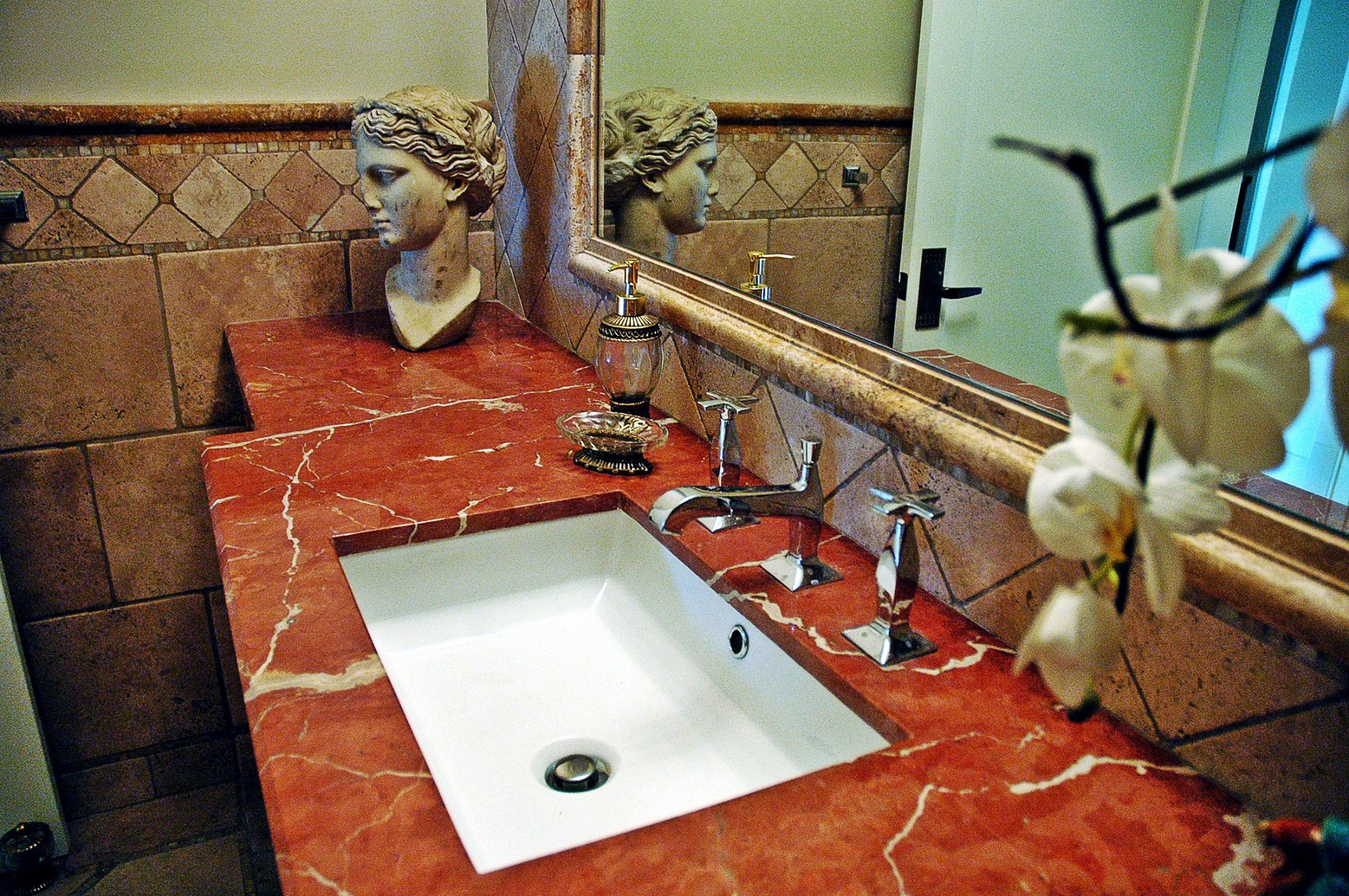
- High-End Finishes: Incorporate luxurious materials like marbleA luxurious natural stone known for its veining and classic elegance. or high-quality tiles where appropriate.
- Professional Guidance: Ensuring Compliance and Optimal Design
When undertaking bathroom remodeling in Los Angeles for accessibility, professional guidance is invaluable:
- ADA Compliance: Work with experts familiar with ADA guidelines and local building codes.
- Occupational Therapist Input: Consult an OT for personalized recommendations based on specific needs.
- Specialized Contractors: Choose contractors experienced in accessible bathroom renovations.
- Future-Proofing: Discuss potential future needs to create a design that can adapt over time.
Creating a Bathroom That Empowers and Inspires
Designing a handicap accessible bathroom is a thoughtful process. That balances functionality, safety, and aesthetic appeal. By carefully considering space planning, fixture selectionChoosing faucets, showerheads, sinks, and accessories that match design and performance goals., safety features, and design elements. You can create a bathroom that not only meets the needs of individuals with mobility challenges. But also enhances their quality of life and promotes independence.
If you're considering bathroom remodeling in Los Angeles to create an accessible space. Don't hesitate to seek professional guidance. Contact Bradco Kitchens & Baths, they specialize in creating stunning, functional bathrooms that meet diverse needs.

 Jessica Kienzl