
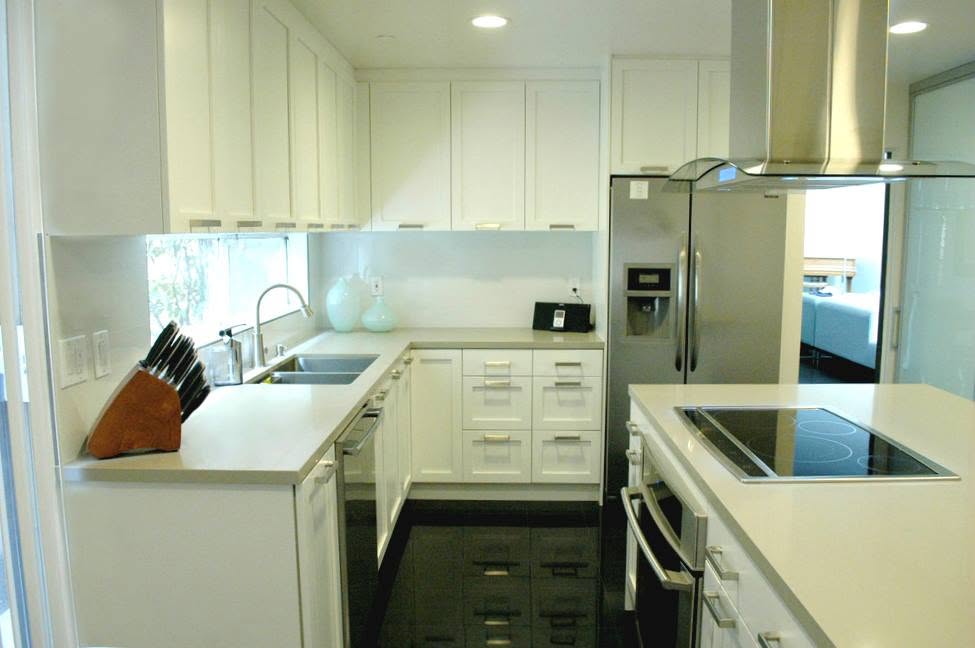
Non-toxic cabinetryBuilt-in furniture designed for storage, including kitchen, bath, and custom installations. has become essential for families seeking healthier living environments and reduced chemical exposure. The global kitchen cabinetry market is projected to reach $236.22 billion by 2033, with 29% of consumers choosing sustainable and low-chemical cabinet options. Understanding material composition, certification standards, and long-term valueThe lightness or darkness of a color affecting contrast and tone. helps families make informed decisions that protect health while meeting design and budgetThe financial plan detailing project costs and allowances. requirements. Choosing the right custom kitchen cabinets also shapes kitchen layoutThe spatial arrangement of appliances, cabinets, and countertops designed for both efficiency and ae... and home design decisions that support a family-friendly kitchenA layout prioritizing safety, accessibility, and family interaction. for years to come.
Key Takeaways
Non-toxic cabinetry refers to cabinets constructed without formaldehyde-based adhesives, high-VOC finishes, or synthetic materials that release harmful chemicals into indoor air. These products prioritize family health safety by using natural materials, water-based coatings, and certified low-emission components. Conventional cabinets often contain particleboard bonded with urea-formaldehyde resins that are off-gas for years after installation.
Solid wood cabinets are constructed entirely from wood lumber using traditional joineryThe craft of connecting materials with joints such as dovetails or miters. techniques like dovetail or mortise and tenon joints. The wood category currently holds 52.3% market share across all cabinet types. Low-VOC cabinets use formaldehyde-free adhesives such as MDI glue and water-based or plant-based coatings to minimize emissions. Bamboo cabinets utilize fast-growing grass that regenerates in 3-5 years, offering renewable material sources.
Recycled materials cabinets incorporate reclaimed woodSalvaged wood repurposed for countertops or islands, emphasizing sustainability. fibers, agricultural waste like straw or sugarcane bagasse, and recycled plastics bound with eco-friendly adhesives. Child-friendly kitchen materials include FSC-certified wood from responsibly managed forests and formaldehyde-free plywood that eliminates toxic exposure risks. Each material category offers distinct advantages for families prioritizing health and environmental responsibility.
Non-toxic cabinetry dramatically reduces indoor air pollution by eliminating formaldehyde and VOC emissions that cause respiratory irritation, headaches, and allergic reactions. Conventional cabinets release chemicals continuously for months or years, with concentrations highest during the first six months. Low-chemical cabinets finished with water-based coatings emit minimal odors and off-gas fewer harmful compounds.
Families with young children, elderly members, or individuals with chemical sensitivities benefit most from non-toxic cabinet materials. Studies show 70% of consumers now prioritize health and safety features when selecting kitchen materials. Improved indoor air quality contributes to better sleep, reduced allergy symptoms, and lower risk of long-term health complications. Parenting guidance from pediatric and safety experts increasingly points to non-toxic materials among practical safety measures for building a child-friendly kitchen space that supports healthy family life.
GreenGuard Gold certification indicates cabinets meet strict chemical emission limits for volatile organic compounds and formaldehyde. This third-party verification ensures products are safe for sensitive environments, including schools and healthcare facilities. FSC certification verifies wood comes from responsibly managed forests that maintain biodiversity and support local communities.
GreenGuard Gold certification verifies that products meet stringent low-emission standards tested under realistic conditions. FSC certification confirms sustainable sourcing practices that prevent deforestation and habitat destruction. Manufacturers displaying both certifications demonstrate commitment to environmental stewardship and consumer health.
| Certification | What It Verifies |
|---|---|
| GreenGuard Gold | Meets strict chemical emission limits for VOCs and formaldehyde; verified safe for sensitive environments such as schools and healthcare facilities |
| FSC Certification | Confirms wood comes from responsibly managed forests that maintain biodiversity and support local communities |
Cabinet selection requires balancing material performance, maintenance requirements, environmental impact, and budget constraints. Different materials offer varying levels of durability, moisture resistance, repairability, and aesthetic flexibility. Understanding practical advantages and limitations helps families identify solutions aligning with their priorities.
Solid wood requires regular sealingThe process of applying a protective layer to prevent moisture and stain absorption. to prevent moisture damage and preserve finish quality. Bamboo requires only standard cleaning with mild soap due to natural moisture resistance. Composite and particleboard materials are susceptible to moisture damage and difficult to repair once water penetration occurs.
Solid wood cabinets can be refinished multiple times over their 40-50+ year lifespan, making them repairable and adaptable. Bamboo and FSC-certified cabinets have limited availability in some regions, requiring longer lead times and potentially higher shipping costs. Green home products made from recycled composites offer budget-friendly options but may not match solid wood's durability in high-traffic kitchens.
Low-VOC cabinets carry a 15-30% cost premium over conventional cabinets due to specialized adhesives and water-based finishing systems. This investment delivers measurable health benefits through reduced chemical exposure and improved indoor air quality. Water-based finishes may be slightly less durable than conventional solvent-based coatings.
Low-VOC cabinets have limited style options compared to conventional products because fewer manufacturers offer complete lines in all finishes. However, health advantages for families with young children or chemical sensitivities often outweigh aesthetic limitations. Formaldehyde-free construction paired with low-VOC finishes creates the safest cabinet environment, particularly important for households with respiratory concerns.
Solid wood cabinets rangeA combined cooking appliance featuring both a cooktop and oven. from $5,000 to $25,000+ for a standard 10×10 kitchen, reflecting premium materials and skilled craftsmanship. Low-VOC cabinets cost $5,000 to $30,000+ for the same space, with prices varying based on wood species and finish complexity. Recycled materials cabinets offer more accessible pricing at $4,000 to $22,000.
Bamboo and FSC-certified cabinets range from $6,000 to $28,000+ for a 10×10 kitchen. Sustainable cabinets typically carry a 15-30% initial price premium compared to standard particleboard options. This investment pays dividends through longer lifespans, better resale value, and reduced health costs from improved indoor air quality.
| Cabinet Material | Price Range (10x10 Kitchen) |
|---|---|
| Solid Wood | $5,000 - $25,000+ |
| Low-VOC | $5,000 - $30,000+ |
| Recycled Materials | $4,000 - $22,000 |
| Bamboo / FSC-Certified | $6,000 - $28,000+ |
Consumer priorities have shifted dramatically toward health, sustainability, and long-term value rather than purely aesthetic or cost-driven decisions. Market research reveals 80% of consumers now consider environmental impact when selecting cabinet materials for kitchens. This trend reflects growing awareness of how material choices affect both personal health and broader environmental consequences. Many families also connect non-toxic materials to healthy eating, recognizing that clean kitchen routines start with cabinets and surfaces free of harmful chemicals.
Seventy percent of consumers prioritize non-toxic materials and low-VOC finishes over traditional considerations like color or hardware style. Sixty percent of buyers value surfaces that are easy to clean and maintain. Durability ranks as a high priority for 45% of buyers who focus on lifespan and resilience.
Visual appeal remains a deciding factor for only 30% of consumers, showing a significant shift from previous decades. Price considerations influence just 20% of buyers as the primary deciding factor, with most viewing cabinet investment as a health and home value decision. This demonstrates families increasingly understand the connection between material quality, indoor air quality, and long-term wellbeing.
Millennials account for 40% of kitchen renovation spending and exhibit a 15% higher material spend index compared to Generation X. This demographic drives demand for eco-friendly kitchen options that align with environmental values and health priorities. Generation X represents 25% of renovation spending and balances cost consciousness with growing interest in sustainable materials.
Baby Boomers contribute 35% of renovation spending with typical project budgets exceeding $8,000. This generation often prioritizes traditional solid wood construction and premium craftsmanship. Millennials and younger Gen X households with children show the strongest preference for formaldehyde-free and low-VOC products due to concerns about developmental health impacts.
| Generation | Share of Renovation Spending |
|---|---|
| Millennials | 40% |
| Baby Boomers | 35% |
| Generation X | 25% |
Urban consumers face higher installation costs due to elevated contractorA licensed professional responsible for managing labor and materials. rates and more stringent permit requirements. These additional expenses can add 20-40% to total project costs compared to suburban or rural installations. Rural consumers often have larger kitchens requiring more linear footage of cabinetry, increasing material costs even when labor rates are lower.
Rural consumers face challenges sourcing specialized eco-friendly materials locally, often requiring online ordering and long-distance shipping. Urban buyers typically have better access to showrooms, custom cabinet makers, and sustainable materialEco-conscious materials with low environmental impact. suppliers.
The sustainable cabinetry market is experiencing rapid growth driven by regulatory changes, consumer education, and manufacturer innovation in low-emission materials. Twenty-nine percent of consumers have already adopted sustainable and non-toxic cabinetry, with adoption rates accelerating annually. Market projections indicate continued expansion as health awareness increases and production costs decrease through economies of scaleThe size relationship between objects and the overall space..
Asia-Pacific holds 38% market share and represents the fastest-growing region for sustainable cabinet adoption. North America accounts for 29% market share with steady growth driven by LEED certificationA globally recognized sustainability rating for green building design. requirements and green building incentives. Europe holds 18% market share and leads in regulatory standards requiring low-emission materials and responsible forestry certification.
Latin America represents 10% of the global market, with emerging interest in sustainable construction practices. Regional adoption rates vary based on regulatory frameworks, consumer income levels, and availability of certified materials. North American and European markets show the highest consumer willingness to pay premiums for FSC-certified sustainable cabinets that meet strict environmental and health standards.
Large mass-market retailers now offer recycled wood and plastic-foil cabinet lines, making sustainable options accessible at budget-friendly price points, according to industry data. National cabinet manufacturers increasingly incorporate environmental stewardship programs and low-emission materials into their mainstream product lines. Premium European manufacturers are recognized for upscale positioning and strict continental environmental manufacturing standards.
Boutique custom cabinet makers focus exclusively on solid wood construction with traditional joinery methods for premium clients. Semi-custom manufacturers offer eco-friendly materials and low-VOC finishes at more accessible price points. Industry benchmarks confirm that sustainable cabinet production is viable across all market segments, from budget-conscious options to the ultra-premium custom designs that firms like Bradco Kitchens & Baths deliver for Los Angeles families.
The global kitchen cabinetry market was valued at $72.31 billion in 2025 and is projected to reach $236.22 billion by 2033. This represents a compound annual growth rate of 8.26% driven primarily by sustainable product adoption. The eco-friendly furniture segment is projected to grow from $47.8 billion in 2023 to $104 billion by 2033, with an 8.3% CAGR.
These projections reflect increasing consumer demand, tightening emission regulations, and manufacturer investment in low-VOC production capabilities. Market analysts expect sustainable cabinet options to become mainstream within the next decade. Price premiums for eco-friendly options are expected to decline as production scales up.
Cabinet lifespan directly affects long-term value, replacement frequency, and total cost of ownership. Different materials require varying maintenance approaches to preserve appearance and structural integrity. Understanding durability expectations helps families make investment decisions aligning with their timeline and renovation budget planningA collaborative review of expected costs and allowances..
Solid wood cabinets last 40-50+ years when properly maintained with periodic sealing and refinishing. Bamboo cabinets provide 25-35 years of service with standard cleaning and occasional resealingRegular maintenance of natural stone surfaces to maintain protection. in high-moisture areas. Low-VOC plywood cabinets offer 18- to 25-year lifespans when protected from water damage and excessive humidity.
Composite and particleboard cabinets last only 8-15 years before moisture damage, joint failure, or finish deterioration requires replacement. This shorter lifespan means families may replace budget cabinets three times during the period a single solid wood installation would serve. The environmental cost of multiple replacements often exceeds the impact of choosing higher-quality materials initially.
| Cabinet Material | Average Lifespan |
|---|---|
| Solid Wood | 40-50+ years |
| Bamboo | 25-35 years |
| Low-VOC Plywood | 18-25 years |
| Composite / Particleboard | 8-15 years |
Solid wood cabinets require annual inspectionA required site review by a certified inspector to verify code compliance. and resealing every 3-5 years to maintain moisture protection and finish luster. Water-based finishes on low-VOC cabinets need gentler cleaning agents to avoid damaging the more delicate coating. Bamboo naturally resists moisture but benefits from occasional treatment with food-safe mineral oil to prevent drying and surface cracking.
Cabinet maintenance routines should include regular cleaning with pH-neutral cleaners and immediate wiping of water spills. Avoid abrasive scrubbers or harsh chemicals that can damage protective finishes. Proper ventilation in kitchens reduces humidity levels that accelerate wear on all cabinet materials. Pairing non-toxic cabinets with quality range hoods and ventilation systems further reduces airborne particles and supports consistent air quality during everyday food preparation.
Durable cabinets maintain structural integrity and appearance for decades, preserving home resale value and eliminating replacement costs. Solid wood and high-quality formaldehyde-free plywood withstand daily use, accidental impacts, and minor water exposure without structural compromise. Materials that resist warping, joint separation, and finish degradation require fewer repairs.
Lower-quality materials that fail within 10-15 years force homeowners to budget for complete kitchen renovations sooner than expected. This accelerated replacement cycle increases total lifetime costs and generates significant construction waste. Investing in durable materials aligns with both financial prudence and environmental responsibility.
Financial analysis of cabinet investments must account for initial costs, lifespan, maintenance expenses, health benefits, and resale value impacts. Short-term budget constraints often conflict with long-term value optimization, requiring families to identify acceptable trade-offs. Understanding return on investment helps justify premium material costs.
Minor kitchen remodels yield 113% ROI nationally, with average costs of $28,458 and returns of $32,141 at resale. Midrange major remodels provide 51% ROI, balancing material quality with reasonable budget constraints. Upscale major remodels return only 36% of investment, suggesting diminishing returns on ultra-premium cabinet selections.
These figures demonstrate that moderate investments in quality materials offer the strongest financial returns. Sustainable cabinets that fall in the minor to mid-range remodel categories maximize both health benefits and resale value. Homeowners planning to sell within 5-7 years should focus on eco-friendly options at sustainable price points rather than ultra-premium custom solutions with lower ROI percentages.
| Remodel Type | ROI at Resale |
|---|---|
| Minor Kitchen Remodel | 113% |
| Midrange Major Remodel | 51% |
| Upscale Major Remodel | 36% |
Minor kitchen remodels often involve refacing or replacing cabinet fronts rather than complete box replacement, significantly reducing costs and material waste. This approach maintains existing cabinet structure while updating visible surfaces with sustainable materials and low-VOC finishes. Refacing costs 30-50% less than full replacement while still delivering updated aesthetics and improved air quality.
Consider refacing existing cabinet boxes in Los Angeles with sustainable doors and drawer fronts for a budget-conscious, eco-friendly update. Use low-VOC paints or water-based stains on existing frames to achieve high-ROI improvements without complete demolitionThe removal of existing structures, fixtures, or finishes.. This strategy extends cabinet life while reducing landfill waste. Adding cabinet organizers during a non-toxic kitchen remodel is another way to improve storage without the cost of a full replacement.
Improved indoor air quality from low-chemical cabinets reduces respiratory irritation, allergies, and headaches caused by formaldehyde and VOC exposure. These health improvements are difficult to quantify financially but significantly affect daily quality of life. Families with asthma, chemical sensitivities, or young children experience measurable health benefits worth far more than documented ROI percentages.
Environmental responsibility provides psychological satisfaction for homeowners committed to reducing their ecological footprint. Sustainable cabinets support responsible forestry, reduce manufacturing emissions, and minimize landfill waste at the end of life. These benefits align with personal values even when financial returns alone don't fully justify premium pricing.
Thorough research and verification prevent greenwashing and ensure cabinet purchases genuinely meet health and environmental standards. Many manufacturers make vague sustainability claims without third-party certification or transparent material disclosure. Families should demand documentation and independently verify certifications before committing to significant investments.
Bamboo and FSC-certified cabinets require verification of certification through the FSC database using manufacturer license numbers. GreenGuard Gold certification can be confirmed through the UL Environment database listing certified products by model number. Request specific documentation rather than accepting marketing materials that reference certifications without providing verification details.
Contact certification bodies directly if the manufacturer's claims seem unclear or documentation appears incomplete. Legitimate certified manufacturers willingly provide detailed information about their certification status and testing procedures. Be skeptical of terms like "eco-friendly" or "green" without specific certification backing.
Choose solid wood or high-quality formaldehyde-free plywood for cabinet boxes to ensure longevity and eliminate toxic emissions. Box construction matters more than door material since boxes provide structural support and account for most cabinet mass. Dovetail or dowel joints offer superior strength compared to stapled or glued butt joints.
Specify water-based or plant-based finishes on all visible surfaces to minimize VOC exposure during application and long-term off-gassing. Full-overlay doors reduce exposed cabinet boxThe main structure of a cabinet, typically made of plywood or MDF. material, limiting surface area requiring finishing. Quality hardware with soft-close mechanismsLuxury hardware ensuring doors and drawers close gently and silently. reduces stress on joints and extends cabinet lifespan.
Prioritize core health and safety requirements first, then select aesthetic options within acceptable material categories. Many sustainable cabinet lines now offer diverse style options, including modern, traditional, and transitional designs. Color and hardware choices provide extensive customization without compromising material safety or environmental standards.
Work with designers experienced in sustainable kitchen design who understand both aesthetic principles and material health implications. Test physical samples in your home's lighting conditions before committing to large orders. Remember, visual trends change while health benefits and durability provide lasting value throughout the entire ownership period. Small additions, such as a dry-erase board near a family command center, keep daily household organization simple within a family-friendly kitchen.
Non-toxic cabinetry represents a fundamental shift in how families approach kitchen design, prioritizing health and environmental responsibility alongside traditional concerns like style and budget. The market's projected growth to $236.22 billion by 2033 reflects widespread recognition that material choices directly impact indoor air quality and long-term wellbeing. Solid wood, bamboo, low-VOC finishes, and FSC-certified materials provide proven alternatives to conventional cabinets containing formaldehyde and high-VOC adhesives.
Investment in sustainable cabinets delivers multiple returns through extended lifespan, improved health outcomes, reduced environmental impact, and enhanced home value. While initial costs run 15-30% higher than standard options, durable materials lasting 25-50+ years prove more economical than repeatedly replacing lower-quality cabinets. Families planning kitchen renovations should verify certifications, prioritize formaldehyde-free construction, and select materials appropriate for their specific needs and timeline. Bradco Kitchens & Baths has specialized in formaldehyde-free cabinetry solutions since earning the 2013 Purebond Quality Award, helping families create healthier kitchen environments throughout the Los Angeles area.
Bradco Kitchens & Baths has helped Los Angeles families move to healthier, non-toxic kitchen remodel solutions for over 40 years, from custom kitchen cabinets to smart cabinet organizers built around real kitchen routines. Our team can help you plan a kitchen layout that supports strong safety measures, easier everyday food preparation, and a true family-friendly kitchen your kids can grow up in. Ready to start your project? Simply contact Bradco Kitchens & Baths today!
A. Non-toxic cabinets typically carry a 15-30% price premium over conventional particleboard cabinets built with urea-formaldehyde adhesives. Solid wood, low-VOC, and FSC-certified options for a standard 10x10 kitchen generally start around $4,000 and can exceed $30,000 depending on species, finish, and construction quality. That upfront cost is offset by a much longer service life, since solid wood and formaldehyde-free plywood last decades longer than composite materials. Families who plan to stay in their home for several years often recover the difference through lower replacement costs and stronger resale value.
A. Ask the manufacturer for GreenGuard Gold and FSC certification documentation rather than relying on marketing terms like eco-friendly or green. GreenGuard Gold certification can be confirmed through the UL Environment database by model number, and FSC certification can be verified through the FSC database using the manufacturer's license number. Legitimate manufacturers, including Bradco Kitchens & Baths , provide this documentation without hesitation. Bradco offers PureBond and other formaldehyde-free plywood options alongside CARB-compliant materials so families can confirm exactly what goes into their cabinets.
A. Solid wood cabinets last 40 to 50 years or more with periodic sealing and refinishing, while bamboo cabinets typically provide 25 to 35 years of service. Low-VOC plywood cabinets last 18 to 25 years when protected from excess moisture. All three options outlast composite and particleboard cabinets, which often need replacement within 8 to 15 years. Choosing solid wood or formaldehyde-free plywood construction upfront reduces how often a family needs to renovate their kitchen.
A. Yes, non-toxic materials work across nearly every design style, from frameless European-style cabinetry and slim shaker doors to more traditional profiles. Solid wood, bamboo, and formaldehyde-free plywood all accept a wide range of stains, low-VOC paints, and veneers, including rift-cut white oak and walnut finishes. Families no longer have to choose between healthy materials and the aesthetic they want. Working with a design-buildA project delivery method where design and construction services are handled by one entity. team that understands both material safety and current style trends helps balanceThe visual equilibrium achieved through symmetry or asymmetry in layout. those priorities.
Yes, Bradco Kitchens & Baths has specialized in formaldehyde-free cabinetry since earning the 2013 PureBond Quality Award and has served Los Angeles families for over 40 years. Bradco's non-toxic offerings include solid wood construction with dovetail joinery, UF-free plywood options such as PureBond, low-VOC and zero-VOC water-based finishes, and PaperStoneAn eco-friendly countertop made from recycled paper and resin for a dense, smooth finish. countertops made with recycled paper content. Every project is designed in California and manufactured in Bradco's company-owned North American facility, with the full design, fabricationThe process of cutting, shaping, and finishing countertop slabs before installation., and installation process handled under one roof. Families can schedule a free consultation to review non-toxic material options for their specific kitchen or bathroom project.
Disclaimer: The pricing and cost estimates mentioned in this article are provided for educational and informational purposes only. They are intended to give readers a general idea of potential remodeling costs and should not be considered a quote or guarantee of pricing. Actual project costs vary based on factors such as design preferences, materials, labor, project scopeThe defined set of goals, deliverables, and parameters for a remodeling project., and site conditions. For an accurate estimate tailored to your kitchen or bathroom remodeling project, please contact Bradco Kitchens & Baths for a personalized consultation and quote.
 Jessica Kienzl
BOOK AN APPOINTMENT