
Key Takeaways:
As we move into 2025, kitchen cabinet styles are evolving to reflect both timeless design principles and bold new trends. From the resurgence of traditional styles to the rise of minimalist modern aesthetics, homeowners are seeking personalized spaces that reflect their individuality. This article explores the most popular kitchen cabinet styles for 2025, focusing on the latest trends, materials, and color schemes that will dominate kitchen renovations. Whether you're planning a remodel in Los Angeles or elsewhere, understanding these shifts can help you create a kitchen that is both functional and stylish.
Kitchen cabinet styles in 2025 blend timeless appeal with bold personalization. The data reveals a decisive shift: homeowners now prioritize individual expression over safe, uniform looks. Whether planning a kitchen remodel in Los Angeles or elsewhere, understanding these trends helps you make informed decisions about cabinet colors, storage solutions, and overall kitchen design.
Shaker cabinets command 61% market share, proving clean lines remain America's favorite cabinet door style. Their five-piece construction works equally well in traditional kitchen cabinets and modern kitchens, making them the Swiss Army knife of kitchen remodeling. This versatility explains why custom kitchen cabinets frequently feature Shaker profiles.
The mix-and-match revolution continues—67% of homeowners agree combining different cabinet styles adds unique character. Meanwhile, 71% now prefer colorful kitchens over all-white spaces, with only 29% still choosing monochrome. Most significantly, 52% identify cabinets as the primary canvas for statement colors, shifting focus from walls and backsplash. White kitchen cabinets still dominate, but they're increasingly paired with bold kitchen island colors or contrasting lower cabinets.
Traditional style makes a surprising 5-point comeback to 14%, reversing years of decline. Raised-panel doors and ornate details are reclaiming territory in kitchen renovation projects. This resurgence connects to broader nostalgia trends—52% predict 1970s bright colors and earth tones like sage green will dominate, while 47% foresee renewed interest in 1950s muted mid-century modern design.
Fluted and reeded cabinet doors emerged as 2025's sculptural breakout trend. These vertically grooved surfaces add texture to modern kitchen cabinets and transitional spaces without overwhelming the modern look. Designers recommend using them strategically on kitchen islands or glass-front cabinets rather than throughout entire runs. The effect pairs beautifully with flat-panel cabinets on perimeter walls, creating visual interest without pattern fatigue.
Frameless cabinets maximize storage with 5-10% more interior space than face-frame construction. This European-style approach eliminates the traditional frame, allowing cabinet doors to sit flush against the box. The result? Full-access openings are perfect for modern design enthusiasts and anyone maximizing tight Los Angeles kitchen layouts.
Storage solutions drive cabinet style choices more than aesthetics alone. Some 58% add pull-out spice racks for enhanced organization, while 87% want concealed pantries—either walk-in or butler's style. The death of open shelving continues: 66% now prefer concealed storage, rejecting the minimalist open-shelf trend of previous years. Modern cabinets increasingly feature hidden pull-outs, soft-close drawers, and integrated organizers. Even RTA cabinets (ready-to-assemble) now include these premium storage features, making functional luxury accessible across budget tiers.
Four distinct cabinet styles dominate the 2025 market, each offering unique advantages for different kitchen design preferences. From traditional elegance to minimalist modern, understanding these options helps homeowners and contractors choose the right approach for any kitchen renovation project.
Traditional style captures 14% market share in 2025, jumping from just 9% in 2023. This dramatic comeback reflects renewed appreciation for craftsmanship and architectural detail. Raised-panel cabinet doors, statement range hoods, and decorative crown moldings define the aesthetic, typically paired with luxurious stone countertops in marble or quartz.
Ornate hardware completes the look—bail pulls with decorative backplates in antique brass finishes add authentic period character. Los Angeles kitchen cabinets in traditional style often feature cherry or walnut wood tones, though painted finishes in cream and sage green are gaining traction. The key is layered detail: traditional kitchens embrace complexity rather than minimalism.
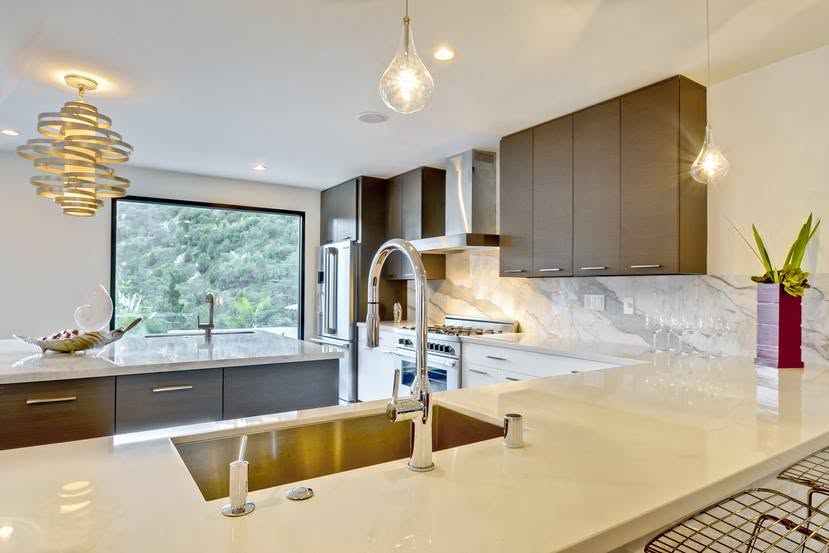
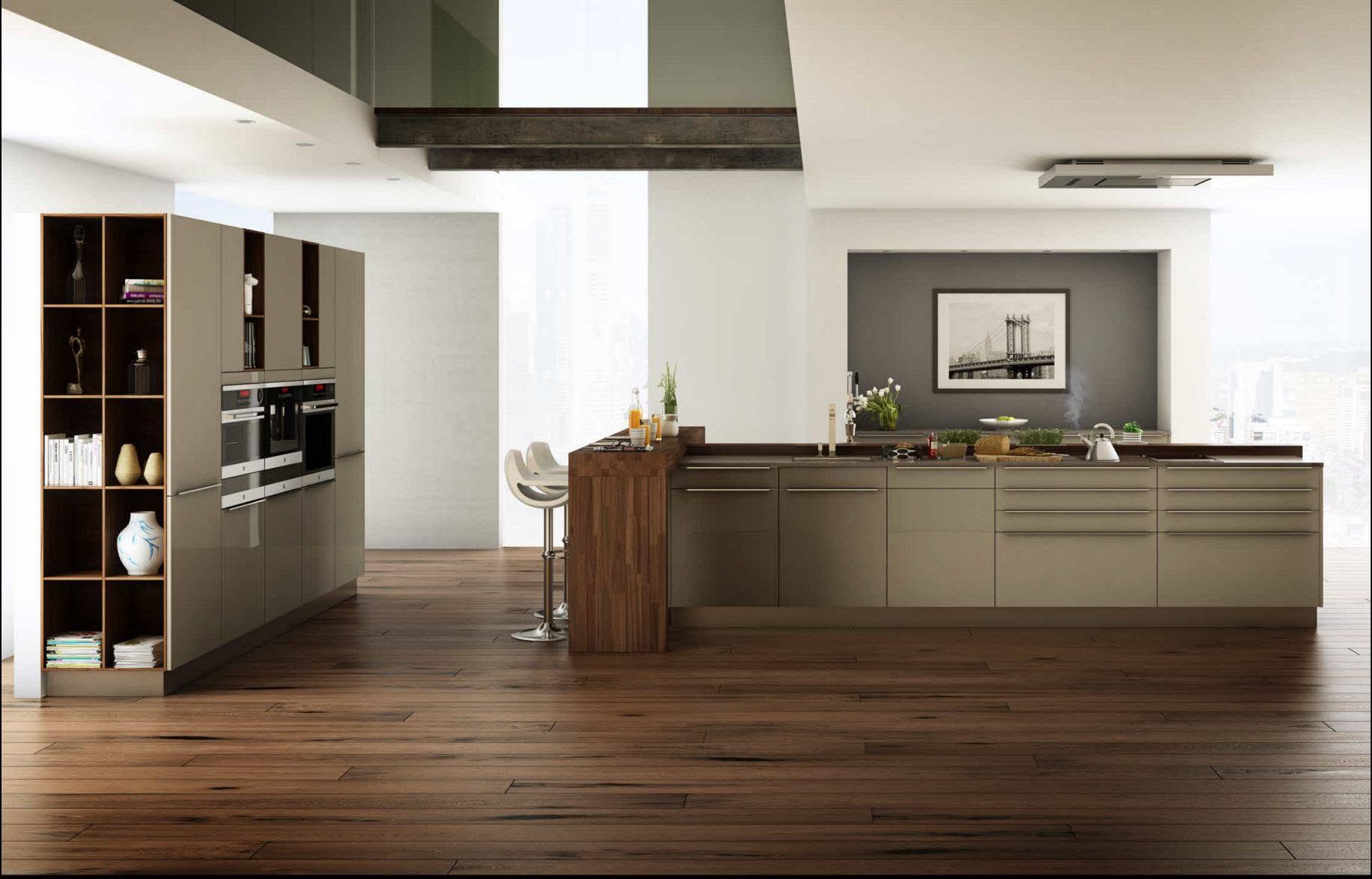
Modern kitchen cabinet styles hold steady at 12% market share, while contemporary captures 11%. The distinction matters: modern refers to mid-century aesthetics, while contemporary means current-day sleek design. Both rely on flat-panel cabinets or slab doors featuring clean lines and smooth surfaces without decorative elements—the hallmark of modern cabinetry.
Frameless construction makes up approximately 20-25% of the global cabinet market, and it's almost exclusively found in modern kitchens. These European-style cabinets pair perfectly with stainless steel appliances, creating the seamless modern look homeowners expect. Custom kitchen cabinets in modern styles often incorporate handleless designs, high-gloss finishes, and integrated lighting that emphasizes horizontal lines and uncluttered surfaces.
Transitional style tops the charts at 25%—the clear winner among renovating homeowners. This hybrid approach blends traditional warmth with modern cleanliness, making it the safest bet for resale value and broad appeal. Think shaker cabinets with contemporary hardware or subway tile backsplashes paired with sleek quartz counters.
White kitchen cabinets dominate transitional design, but the color palette extends to soft grays and natural wood tones. A typical transitional kitchen remodel might feature white Shaker uppers, a contrasting kitchen island in navy or sage green, and streamlined cabinet hardware in brushed nickel or brass. The style works because it avoids extremes—no ornate carvings, but also no stark minimalism. Natural light, clean cabinet door styles, and thoughtful storage solutions take center stage without demanding attention.
Slab doors with completely flat surfaces deliver the seamless, minimalist aesthetic favored in modern and contemporary designs. These flat-panel cabinets require no decorative elements—the beauty comes from proportion, material quality, and precise installation. Kitchen remodeling projects in urban areas particularly favor this approach for its space-maximizing efficiency.
Frameless cabinets eliminate the face frame, creating smooth, uninterrupted surfaces perfect for handleless installations. Integrated push-to-open mechanisms replace traditional pulls, delivering ultimate clean lines that complement modern design principles. RTA cabinets now offer these premium features at accessible price points, making minimalist style available beyond high-end custom kitchen cabinets. The result is functional art: every surface serves a purpose, nothing exists purely for decoration.
Material choice fundamentally shapes kitchen cabinet styles, affecting durability, cost, and aesthetics equally. Understanding wood species, engineered alternatives, and specialty materials helps homeowners make informed decisions during kitchen remodeling. The right material depends on budget, desired cabinet colors, and whether you're pursuing traditional kitchen cabinets or modern kitchen cabinet styles. Los Angeles kitchen designers emphasize material selection as the foundation of successful kitchen design.
White oak cabinets are the clear favorite—59% of designers list them as the preferred wood tone for 2025. This natural material dominates kitchen renovation projects, bringing organic warmth that painted surfaces can't replicate. The pronounced grain pattern works equally well in shaker cabinets and flat-panel cabinets, adapting to any cabinet door style.
Hard maple's Janka rating of 1,450 lbf makes it 15% harder than red oak, ideal for high-traffic kitchens where cabinet doors endure constant use. Red oak's Janka rating of 1,290 serves as the industry benchmark for wood hardness comparisons—the standard against which all other species measure. These hardwoods handle daily wear while developing character over time, making them smart investments for custom kitchen cabinets. Natural wood also complements modern design elements like stainless steel appliances and stone countertops, proving versatile enough for any color palette from traditional to contemporary.
Glass-front accent cabinets rank highest at 36% among specialty cabinet choices. These transparent cabinet doors add visual interest without overwhelming spaces, particularly effective in modern kitchens where open shelving has fallen from favor. Homeowners use glass-front cabinets to showcase glassware (52%), decorative items (43%), and dishware (34%)—transforming functional storage solutions into display opportunities.
Small knobs or no hardware with magnetic closures minimize visual weight on glass-front doors, letting contents become the focal point. Frameless cabinets pair naturally with glass fronts, creating seamless modern cabinet runs. The kitchen island often incorporates glass-front sections for wine storage or collectible display. Metal elements typically appear as stainless steel toe kicks or integrated appliance panels rather than full cabinet construction, though industrial-style kitchens sometimes feature metal-framed glass cabinet doors. These accent materials work best strategically placed rather than dominating entire kitchen design schemes.
Cabinet-grade plywood is the most structurally sound option, made of thick wood veneers glued together in contrasting grain patterns for strength. This engineered material offers superior moisture resistance compared to solid wood, crucial near sinks and dishwashers. Plywood provides stable substrates for painted cabinet colors or natural veneers in custom kitchen cabinets.
MDF costs 40-50% less than solid wood, making it an excellent choice for projects with budget constraints. The grainless composition creates flawless surfaces for white kitchen cabinets and bold colors alike—no wood texture interrupts the uniform finish. Thermofoil provides a seamless painted look with easy-to-clean surfaces and low-VOC emissions, heat-laminating vinyl to MDF cores. This technology produces cabinet doors without brush strokes or seams, popular in modern kitchen cabinets and affordable RTA cabinets. While traditional kitchen cabinets favor solid wood, these engineered materials dominate kitchen remodeling where budgets matter. The materials perform reliably in both face-frame and frameless construction, adapting to any cabinet style from shaker to slab.
Cabinet colors define kitchen personality more than any other design element. The 2025 color palette shifts decisively toward bold expression, with nature-inspired hues challenging white's longtime dominance. Whether planning a kitchen remodel with sage green cabinets or sticking with classic white kitchen cabinets, understanding current color trends helps create spaces that feel both current and timeless. Kitchen design now embraces individual expression over safe neutrals.
Green is the most popular color for the second consecutive year—76% of NKBA respondents selected it as the top shade for 2025. Sage green leads this movement, appearing on kitchen islands, lower cabinets, and full runs. The organic hue pairs beautifully with natural wood tones, stone countertops, and subway tile backsplashes. Blue ranks second at 63% as designers' color choice, from soft coastal shades to dramatic navy on modern kitchen cabinets.
The data confirms a cultural shift: 71% of homeowners prefer colorful kitchens that showcase personality, while only 29% now want all-white spaces. This reversal impacts both traditional kitchen cabinets and modern kitchen cabinet styles. Bold cabinet colors appear strategically—often on the kitchen island as a contrasting focal point—or across entire cabinet runs for maximum impact. Custom kitchen cabinets increasingly feature these statement colors, though even budget-friendly RTA cabinets now offer expanded color palettes beyond standard whites and woods.
White continues as the most common cabinetry color at 46%, actually rising 6 percentage points year-over-year despite predictions of its demise. White kitchen cabinets remain the safest choice for kitchen renovation projects focused on resale value. The shade works universally—from shaker cabinets to flat-panel cabinets, traditional to modern kitchens.
However, 2025 marks a shift away from cool grays toward warm, earthy tones like taupe, mushroom, and soft beige. These earthier whites feature mineral and stone tones of gray rather than the creamy buttery tones of 2024. The subtle shift toward warmer neutrals complements natural light better while maintaining the brightness homeowners want. Greige cabinet colors bridge white's versatility with the warmth of beige, working seamlessly with stainless steel appliances and various stone countertop options. This evolution proves neutrals needn't mean boring—nuanced cabinet colors create sophisticated kitchen design without bold risk.
Two-toned cabinet styles dominate 2025 kitchen remodeling, with 46% of homeowners making their kitchen island a different color than perimeter cabinets. This mix-and-match approach adds visual interest while limiting bold color risk. Among those choosing contrasting islands, blue ranks #1 at 25%—often sage green or navy against white perimeter cabinets—followed by natural wood tones and dramatic black.
Wood tones are most common for lower cabinets at 28% when uppers differ, creating grounded warmth below while keeping upper cabinets light and airy. Popular combinations include white shaker cabinets on top with natural oak below, or painted perimeter cabinets with a stained wood kitchen island. Frameless cabinets and traditional face-frame construction both accommodate two-toned strategies equally well. Glass-front cabinets sometimes introduce a third element—perhaps keeping display uppers neutral while experimenting with bolder cabinet colors below. This layered approach to color palette allows personalization without overwhelming spaces, explaining its broad adoption across both modern and traditional kitchen cabinet styles in Los Angeles and nationwide.
Ready to make your kitchen the heart of your home in 2025? Whether you gravitate toward the sleek simplicity of modern cabinets, the nostalgic charm of traditional styles, or the bold personality of colorful options, now is the perfect time to transform your space. At Bradco Kitchens and Baths, we offer tailored design solutions to help you bring your vision to life. Don’t wait—contact us at (323) 310-4049 and let’s discuss how we can create the kitchen of your dreams. Our experts are ready to guide you through every step of your kitchen remodeling journey!
 Jessica Kienzl
BOOK AN APPOINTMENT