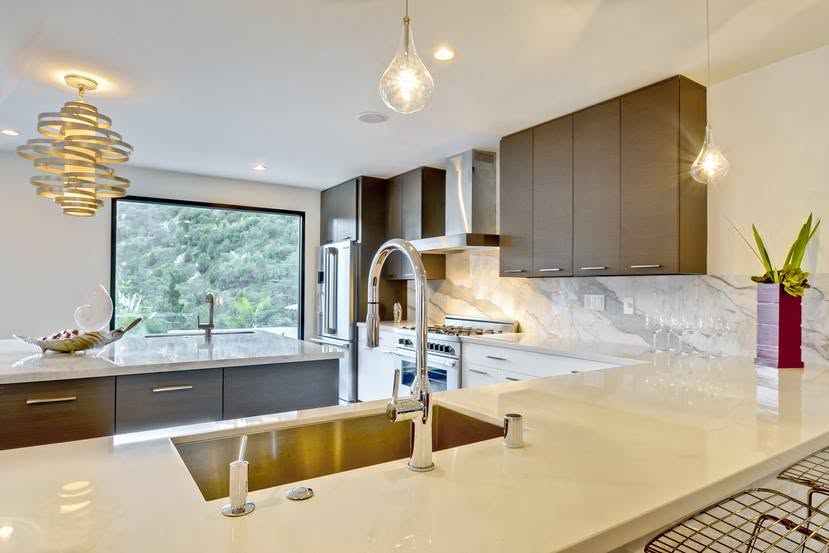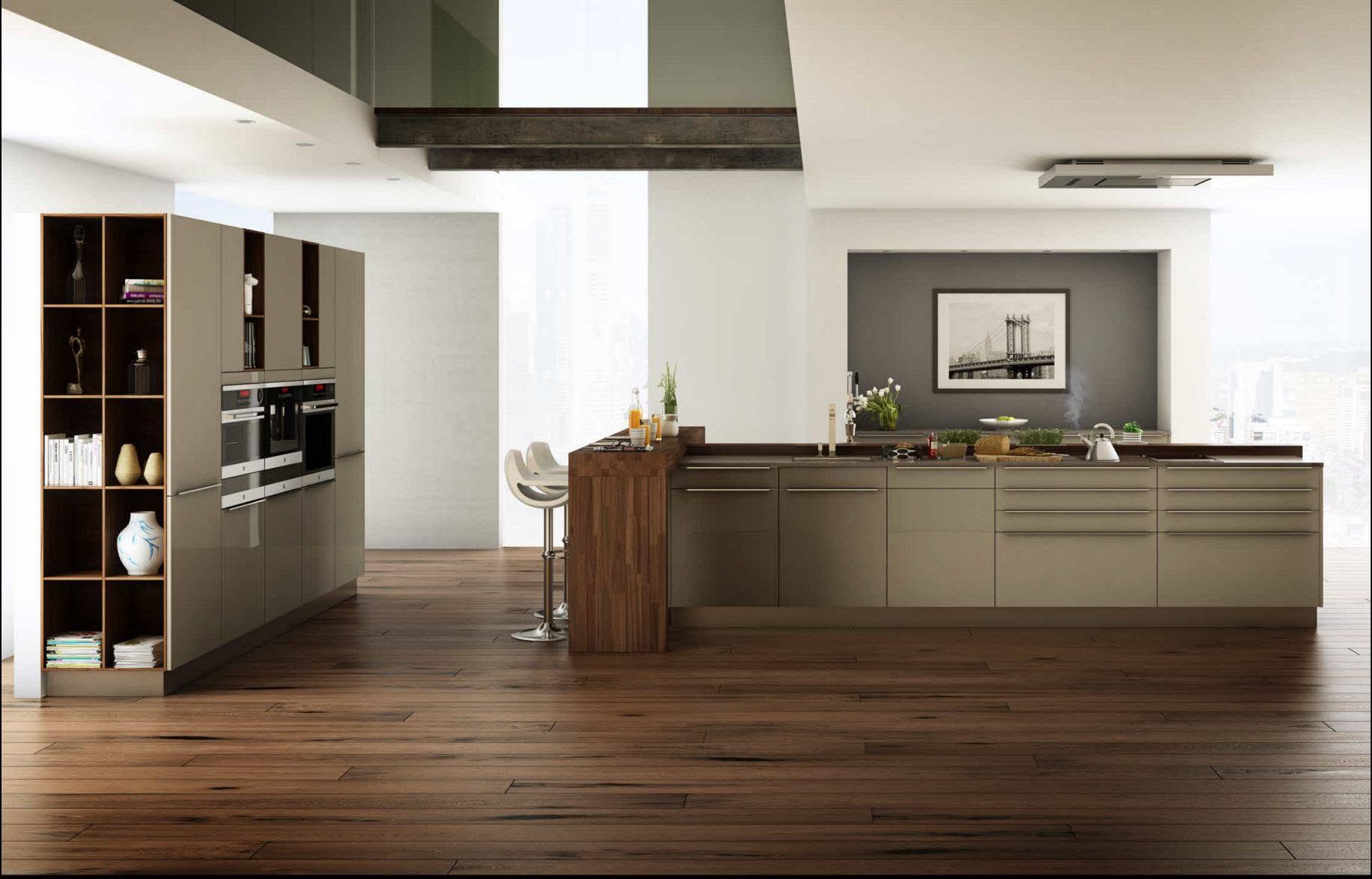

Building cabinets requires understanding multiple construction methods, timelines, and cost structures. Los Angeles homeowners face distinct market conditions that influence material availability, labor costs, and design preferences across different neighborhoods.
The custom process involves coordinating design consultations, precision manufacturing, and professional installation across several months. Each phase demands specific decisions about materials, finishes, and functional features that affect both project duration and final investment.
Key Takeaways
Custom cabinets are made-to-order installations crafted through individual craftsmanship using solid wood and premium plywood. These projects involve detailed drawings, precision manufacturing, and complete customization to match unique spatial requirements and aesthetic preferences.
Stock cabinets are mass-produced in factories using standardized assembly lines with limited size variations. These units typically cost $4,000-$8,000 for a full kitchen and arrive within 2-4 weeks.
Semi-custom cabinets use modular production where manufacturers modify base modules to specific dimensions and finishes. This category holds 46.39% market share and requires a 4-8 week lead time with costs ranging from $8,000 to $15,000.
Custom cabinets require 8-16 weeks for fabrication since each component is individually crafted to precise specifications. Material selection includes solid hardwoods, high-grade plywood, and specialized finishes unavailable in pre-manufactured options.
Custom cabinets have the highest cost and longest timeline among all cabinet types. Projects typically range from $15,000 to $35,000+ and require detailed planning before manufacturing begins.
Stock cabinets offer limited customization options restricted to available sizes and finishes. Semi-custom cabinets remain limited to modifications of base module configurations rather than complete design freedom.
The primary advantage of custom kitchen cabinets is complete design control over dimensions, materials, and functional features. This flexibility allows integration of specialized storage solutions and precise fitting for irregular spaces.
Custom cabinets represent 20% of the total market share nationally, with higher concentrations in affluent markets. Research shows 45% of homeowners prefer fully custom cabinets, while 35% select semi-custom options.
LA neighborhoods demonstrate distinct preferences based on architectural styles and property values. Beverly Hills favors sleek modern designs with minimalist cabinetry, while Silver Lake prioritizes sustainability with reclaimed materials.
Demographic patterns reveal distinct spending behaviors across generational groups undertaking kitchen renovations. Understanding these patterns helps homeowners align their projects with market realities and realistic budget expectations.
Los Angeles attracts diverse renovation approaches from coastal-inspired Venice Beach designs to industrial Downtown loft transformations. Each neighborhood's architectural character influences material selection, finish preferences, and functional design priorities.
Millennials spend approximately 51% more on renovations than Generation X as they enter prime remodeling years. Generation X demonstrates the highest median home renovation spend at $25,000 based on current market data.
Gen X spends 32% more than Baby Boomers on individual remodeling projects. Baby Boomers control $110 trillion in wealth and $35 trillion in home equity, with older households representing 56% of owner households.
Survey data shows 80% of homeowners prioritize look and feel when selecting cabinet materials. Durability ranks second at 47%, followed by cost considerations at 40%.
Aesthetic appeal drives purchasing decisions more than functional specifications across most demographic groups. This explains why custom and semi-custom options continue gaining market share despite higher price points.
Material selection often involves balancing visual preferences with long-term durability expectations and maintenance requirements. Wood species, finish quality, and construction methods all contribute to perceived value and actual longevity.
Beverly Hills emphasizes sleek modern designs with high-end materials, including custom minimalist cabinetry and premium appliances. These projects frequently incorporate Sub-Zero and Wolf appliances with integrated panel fronts.
Downtown LA embraces industrial charm featuring exposed brick, steel beams, and concrete or reclaimed wood countertops. Venice Beach favors coastal-inspired designs using natural materials, light colors, and moisture-resistant selections.
Silver Lake demonstrates a strong sustainability focus with eco-friendly appliances and reclaimed wood installations. Echo Park showcases mid-century modern designs with geometric patterns, retro-inspired cabinetry, and bright color accents.
Kitchen accessibility during remodeling represents a major concern for homeowners evaluating renovation options. Full replacement projects typically require 12-16 weeks involving demolition, plumbing adjustments, electrical work, and new installations.
Strategic scheduling and material coordination prevent unnecessary delays and extended periods without functional kitchen space. Understanding lead times for different cabinet types enables realistic planning around family schedules and seasonal preferences.
Stock cabinets cost $4,000-$8,000 for full kitchens with a 2-4 week lead time from order to delivery. Semi-custom cabinets range $8,000-$15,000 with 4-8 weeks required for manufacturing and delivery.
Custom cabinets cost $15,000-$35,000+ at $300-$750 per linear foot with 8-16 weeks lead time. Full replacement projects involving demolition, plumbing, and electrical work typically span 12-16 weeks total.
Delays can occur if materials are not on-site before demolition begins. Coordinating delivery schedules with contractor availability prevents gaps that extend project timelines unnecessarily.
Stock cabinets arrive ready for installation within 2-4 weeks, minimizing overall project duration significantly. Semi-custom options require 4-8 weeks for factory modifications before shipping to job sites.
Custom cabinet projects in Los Angeles demand 8-16 weeks for complete fabrication cycles. Manufacturing time increases when projects involve complex joinery, specialized finishes, or uncommon material specifications.
Establishing temporary kitchen facilities in adjacent rooms maintains basic meal preparation capabilities during active construction. Setting up coffee stations, microwave areas, and portable refrigeration reduces daily inconvenience.
Confirming all cabinet components, hardware, and materials arrive before demolition begins prevents mid-project delays. Working with experienced contractors who maintain clear communication schedules helps homeowners anticipate each project phase.
The custom process follows distinct phases from initial consultations through final installation and adjustment. Each stage requires specific decisions and approvals before proceeding to subsequent manufacturing or installation steps.
Understanding this progression helps homeowners prepare necessary information and make timely decisions throughout the project. Delays at any phase extend overall timelines and may affect coordinated elements like countertops or appliances.
Initial consultations involve measuring existing spaces and discussing functional requirements with design professionals. Designers evaluate traffic patterns, storage needs, appliance placement, and aesthetic preferences during this phase.
Detailed drawings translate conceptual ideas into technical specifications for manufacturing teams. These plans specify exact dimensions, material selections, hardware choices, and finish applications for each cabinet component.
Manufacturing begins with the precision cutting of solid wood and plywood components according to approved drawings. Individual craftsmen assemble cabinet boxes using traditional joinery methods that ensure structural integrity.
Finishing processes involve multiple sanding stages, stain or paint application, and protective topcoat layers. Quality control inspections occur throughout manufacturing to verify dimensions match specifications before components ship.
Following the complete process for ordering custom kitchen cabinets ensures all stakeholders understand timing requirements and decision points. This coordination prevents miscommunication that could delay manufacturing or installation schedules.
Professional installers begin by verifying wall conditions and making necessary adjustments for level mounting surfaces. Base cabinets are installed first, followed by wall units, with continuous checking for plumb and level alignment.
Final installation includes hardware mounting, door adjustment, and drawer alignment to ensure smooth operation. Installers typically require 3-5 days for complete kitchens, depending on size and complexity.
Cabinet refacing provides high cost and time savings when existing cabinet boxes remain structurally sound. This approach replaces doors, drawer fronts, and surface veneers while preserving the original cabinet framework.
The refacing market grows at 5.6% annually as homeowners seek budget-conscious alternatives to full replacement. This option works best when cabinet layouts already function well, but finishes appear dated or damaged.
Cabinet refacing costs $4,000-$9,000 at $100-$250 per linear foot for complete kitchens. This approach saves 30-50% compared to full cabinet replacement while delivering dramatic aesthetic transformations.
Refacing requires only 3-5 days of active installation versus 12-16 weeks for full replacement projects. A minor kitchen remodel delivers 112.9% return on investment, representing the highest ROI among interior projects. Average cabinet repair costs reach $280, with typical ranges from $200 to $490. Cabinet refacing in Los Angeles offers substantial savings when existing boxes meet structural standards.
The assessment phase involves evaluating existing cabinet condition and measuring dimensions, requiring 1-2 days. Design and planning include selecting new finishes and hardware, typically spanning 3-5 days.
Preparation requires removing existing doors and preparing surfaces for new veneers over 1-2 days. Manufacturing of new doors and drawer fronts occurs off-site during 2-3 weeks.
Installation involves mounting new components and hardware, completed within 3-5 days. This streamlined timeline maintains kitchen functionality throughout most of the project duration.
Refacing only works with structurally sound cabinet boxes free from water damage or structural failure. Boxes showing warping, deterioration, or poor construction require full replacement rather than surface updates.
The 112.9% ROI for minor kitchen remodels reflects strong market demand for updated aesthetics. Homeowners recover initial investments while enjoying modernized appearances that align with current design trends.
Projects maintaining functional layouts while updating visual elements appeal to buyers during resale. This cost-effective approach delivers transformation without the expense and disruption of complete reconstruction.
Los Angeles remodeling costs exceed national averages due to higher labor rates and material preferences. Understanding local pricing helps homeowners establish realistic budgets aligned with quality expectations and desired outcomes.
Cabinet costs represent a substantial portion of total kitchen remodeling budgets across all project grades. Material choices, finish complexity, and hardware selections significantly influence final expenditures beyond basic cabinet construction.
LA labor rates reflect higher costs of living and specialized craftsmanship availability in the region. Premium materials common in affluent neighborhoods further increase project costs compared to national averages.
Neighborhood-specific preferences affect material selection from high-end hardwoods to sustainable reclaimed options. These choices directly impact per-linear-foot costs and overall project budgets.
Los Angeles budget remodels start at $24,500 for basic updates with standard materials and finishes. Mid-grade remodels start at $37,500, incorporating better materials and some custom elements.
High-end remodels start at $76,000, featuring premium materials, custom cabinetry, and luxury appliances. The most common LA remodel range spans $50,000 to $75,000 for comprehensive kitchen transformations.
Approximately 30% of luxury home renovation projects allocate budget specifically for custom cabinetry. Kitchen cabinet costs in Los Angeles vary significantly based on material quality and design complexity.
Demolition and disposal fees add costs beyond cabinet purchase and installation charges. Structural modifications for new layouts require permits and additional contractor coordination.
Electrical and plumbing adjustments to accommodate new cabinet configurations increase total project costs. Hardware upgrades, interior organizers, and specialty finishes contribute substantially to final expenditures beyond basic cabinet boxes.
Sustainable materials and practices have transitioned from niche preferences to mainstream expectations among LA homeowners. This shift reflects growing awareness of indoor air quality, environmental impact, and long-term resource conservation.
Modern manufacturing techniques enable sustainable sourcing without compromising aesthetic quality or structural performance. Formaldehyde-free adhesives, FSC-certified woods, and low-VOC finishes now represent standard options rather than premium upgrades.
Reclaimed wood installations reduce demand for newly harvested timber while providing unique character and patina. FSC-certified hardwoods ensure responsible forest management throughout the supply chain.
Bamboo and other rapidly renewable materials offer durability comparable to traditional hardwoods with faster regeneration cycles. Water-based finishes and formaldehyde-free adhesives improve indoor air quality during and after installation.
Research shows 91% of homeowners incorporate sustainable features during kitchen renovations. Among these homeowners, 71% choose sustainability for long-term cost-effectiveness rather than purely environmental motivations.
Environmental friendliness drives 55% of sustainable material selections, according to recent surveys. Green and sustainable kitchen remodeling integrates health considerations with environmental responsibility.
Formaldehyde-free cabinets eliminate off-gassing that affects indoor air quality for years after installation. These materials particularly benefit households with children, elderly residents, or individuals with chemical sensitivities.
Durable, sustainable materials often outlast conventional alternatives, reducing replacement frequency and long-term costs. Energy-efficient manufacturing processes and locally sourced materials further reduce environmental impact throughout product lifecycles.
The journey from concept to completion requires coordination across design, manufacturing, and installation phases spanning several months. Los Angeles homeowners benefit from understanding local market conditions, neighborhood preferences, and realistic timeline expectations before beginning projects.
Successful custom cabinet projects in LA balance aesthetic vision with functional requirements and budget realities. This investment transforms kitchen functionality while increasing property value and daily enjoyment.
Bradco Kitchens + Baths has guided Los Angeles homeowners through this process since 1987, combining in-house manufacturing with comprehensive design-build services. Our approach eliminates coordination stress while ensuring quality control throughout every project phase.
You now know what the custom cabinet process looks like. The design consultations, the manufacturing timeline, and the coordination are involved. The question is: who do you trust to get it right?
At Bradco Kitchens & Baths, we've been building custom cabinets in Los Angeles since 1987. Our in-house cabinet factory gives us direct control over quality, timelines, and cost — so you get a fully custom kitchen without the delays or guesswork that come with outsourcing.
Whether you're planning a full kitchen remodel or need custom cabinets built to fit your exact space, our team is ready to bring your vision to life. Schedule your free consultation today and take the first step toward a kitchen that's built for you.
 Jessica Kienzl
BOOK AN APPOINTMENT