Key Takeaways:
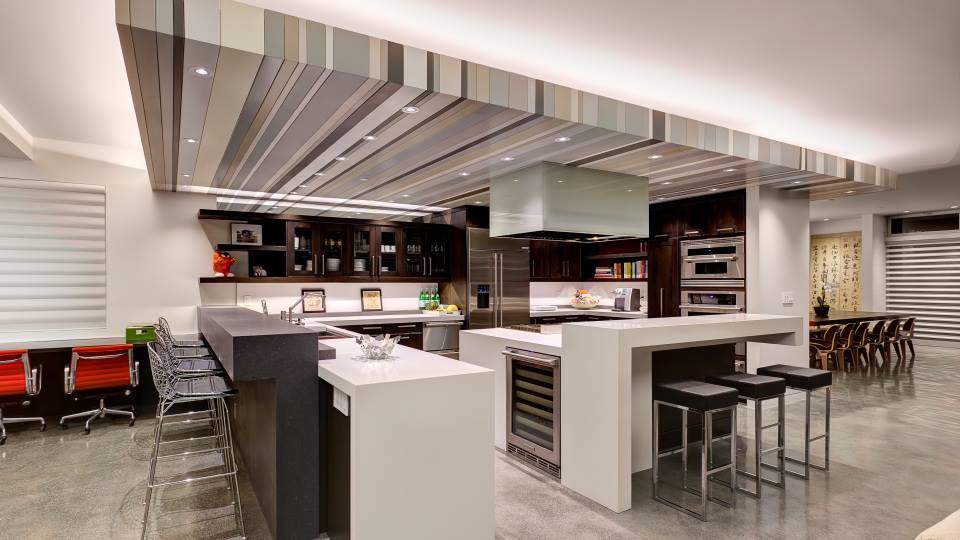
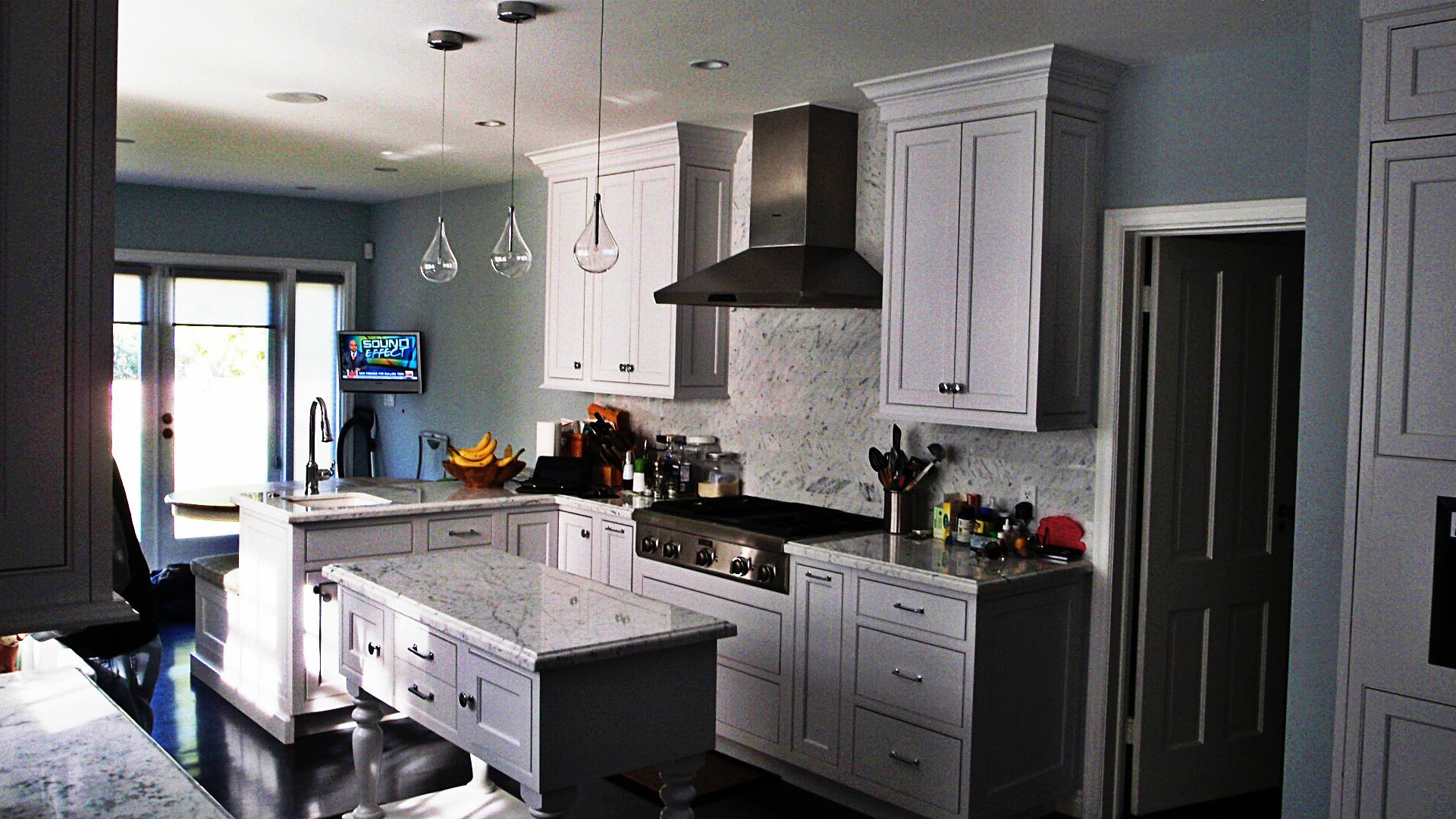
- Choose an islandDefinition: A freestanding counter in a kitchen, often used for food preparation, cooking, and stora... for a large space if you need a central workspace. Peninsulas maximize counter space in smaller kitchens and maintain an open layout.
- Islands create a central hub for cooking and entertaining. Peninsulas can be transformed into breakfast bars or additional seating areas.
- Before finalizing your design, assess traffic flow, the work triangle (fridge, sink, stove), and your storage needs.
- Maximize storage with tall cabinets and deep drawers. Incorporate different lightingDefinition: Various types of lighting fixtures used in kitchens, including task lighting, ambient li... types and design a smooth workflow between prep, cooking, and cleaning zones.
- Think about incorporating adaptable features and smart appliancesDefinition: Kitchen appliances connected to the internet, allowing remote control and monitoring via... for future convenience. Personalize your kitchen with your style and comfort in mind.
Designing your dream kitchen is an exciting journey, but it requires careful planning and thoughtful consideration.
Whether you're embarking on a full-scale renovation or a smaller update, how to design a kitchen layout is crucial for both functionality and style.
This guide will provide you with essential kitchen layout tips and help you understand how to choose a kitchen layout that best fits your needs.
Understand Your Space
Before diving into the details, take time to understand your kitchen's existing space. Assess the current layout and determine what works and what doesn’t. Consider the following:
- Traffic Flow: Ensure there’s enough space for people to move around without bumping into each other.
- Work Triangle: The classic work triangle (sink, stove, refrigerator) should be efficient and unobstructed.
- Storage Needs: Identify areas where additional cabinets or shelves could improve storage.
Essential Kitchen Layout Tips
Designing a kitchen layout involves balancing aesthetics with practicality. Here are some kitchen layout tips to guide you:
- Maximize Storage: Use vertical space with tall cabinets and incorporate deep drawers for pots and pans.
- Lighting Matters: Combine ambient, task, and accent lighting to create a well-lit and inviting kitchen.
- Efficient Workflow: Keep frequently used items within reach and ensure a smooth workflow between cooking, prepping, and cleaning areas.
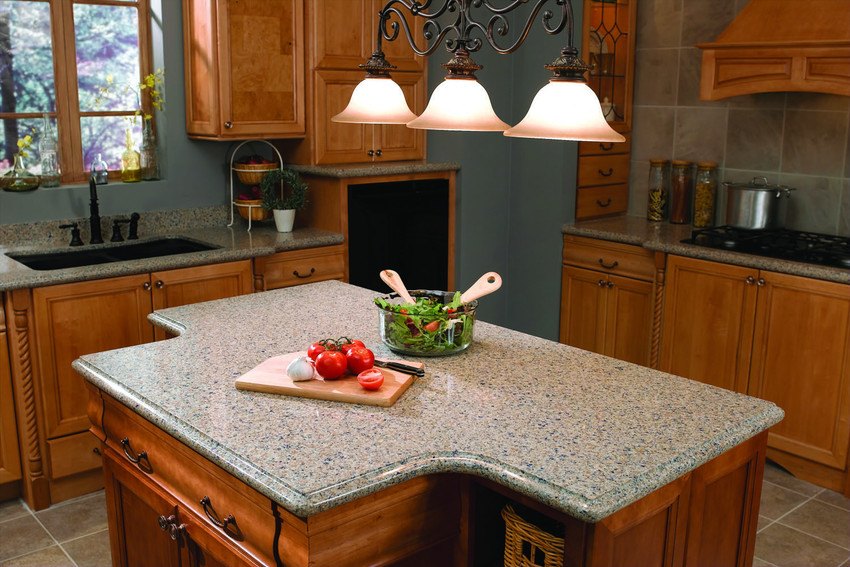
- Incorporate an Island: If space allows, a kitchen island can provide additional workspace and storage.
- Consider Seating: Plan for adequate seating if you want your kitchen to double as an eating area.
Choose the Right Layout
How to choose a kitchen layout depends on the shape and size of your space, as well as your cooking habits. Here are common layouts and their benefits:
- Galley KitchenDefinition: A layout featuring two parallel countertops with a walkway in between, maximizing small ...: Efficient for small spaces, with parallel counters for a streamlined workflow.
- L-Shaped KitchenDefinition: A kitchen layout that forms an L-shape, optimizing corner space and providing ample work...: Ideal for open plans, providing ample counter space and easy traffic flow.
- U-Shaped Kitchen: Offers plenty of storage and counter space, great for multiple cooks.
- Peninsula Kitchen: Similar to an island but attached to a wall, saving space while adding functionality.
- Island Kitchen: Perfect for larger spaces, providing extra prep space, storage, and seating.
Know the Details
Once you have a general layout in mind, focus on the details. Here are some kitchen planning how-to tips for making your kitchen both beautiful and functional:
- Cabinet Placement: Think about where you’ll store your dishes, cookware, and pantry items. Upper cabinets are great for frequently used items.
- Countertop Materials: Choose durable and easy-to-clean materials like quartz, graniteDefinition: A natural stone used for countertops, known for its durability and variety of colors and..., or laminate.
- Appliance Placement: Place your dishwasher near the sink and your microwave at a convenient height.
- BacksplashDefinition: A protective wall covering behind a kitchen counter, often made of tile, glass, or metal... Read More: Add a stylish backsplash to protect your walls and add personality to your kitchen.
Expert Tips for Efficient Kitchen Layouts
Designing an efficient kitchen layout involves more than just choosing a style; it requires thoughtful planning and consideration of your daily routines.
Here are additional tips to ensure your kitchen is both functional and stylish:
Strategic Placement of Appliances
- Sink Location: Place the sink in a central location with easy access to countertopsDefinition: Horizontal surfaces in kitchens used for food preparation, commonly made of granite, qua... and storage for efficient meal prep and cleanup.
- Cooking Zone: Position the stove and oven near the sink to streamline cooking tasks. This proximity also facilitates the transfer of pots and pans between cooking and cleaning areas.
- Refrigerator Accessibility: Ensure the refrigerator is easily accessible from the cooking and prep areas, minimizing unnecessary steps.
Ergonomic Design Principles
- Counter Heights: Designate different counter heights for various tasks, such as lower counters for baking and higher surfaces for food preparation.
- Traffic Flow: Create clear pathways around the kitchen to prevent congestion and allow multiple people to work comfortably.
Storage Solutions
- Cabinetry: Opt for deep drawers and pull-out shelves for efficient storage of pots, pans, and kitchen essentials. Consider custom solutions to maximize every inch of space.
- Pantry Options: If space permits, include a walk-in pantryDefinition: A large pantry space where one can walk in to access stored food and kitchen items. Why ... or utilize floor-to-ceiling cabinetry to store dry goods and small appliances.
Lighting Considerations
- Task LightingDefinition: Focused lighting used to illuminate specific work areas, such as under-cabinet lights in...: Install under-cabinet lightingDefinition: Lights installed beneath cabinets to provide illumination to the countertop workspace. W... to illuminate countertops and enhance visibility during meal preparation.
- Ambient Lighting: Incorporate overhead lighting to create a warm and inviting atmosphere, ideal for dining and entertaining.
Choose the Right Materials and Finishes
Selecting durable materials and finishes is essential for a functional and aesthetically pleasing kitchen. Consider the following:
- Countertops: Choose materials like quartz or granite for durability and ease of maintenance. These surfaces are resistant to stains and scratches, perfect for high-traffic kitchens.
- Flooring: Opt for non-slip flooring options such as ceramic tile or hardwood with a matte finishDefinition: A non-reflective surface treatment that provides a smooth, flat appearance. Why You Need... to ensure safety and comfort.
Plan for Future Needs
As you design your kitchen layout, think long-term and anticipate future changes in your lifestyle:
- Flexibility: Design adaptable spaces that can accommodate evolving needs, such as aging-in-place features or additional seating for growing families.
- Technology Integration: Incorporate smart appliances and innovative gadgets to enhance efficiency and convenience in your kitchen.
The Final Touches
As you finalize your kitchen layout, consider the finishing touches that will make your kitchen truly yours:
- Personal Style: Incorporate your style through color choices, hardware, and decor.
- Comfort and Functionality: Ensure that the layout feels comfortable and meets your daily needs.
- Future Needs: Plan with the future in mind, considering how your needs might change over time.
Transform Your Kitchen with Design Tips for Efficiency and Style!
Ready to transform your kitchen into a hub of efficiency and style? Contact Bradco Kitchens + Baths and learn how to choose the right kitchen layout today.
Our team is here to guide you through every step of the process, from design to installation, ensuring your vision becomes a reality.
Let’s create a kitchen that enhances your home and simplifies your daily routines.

 Bradco Kitchens & Baths