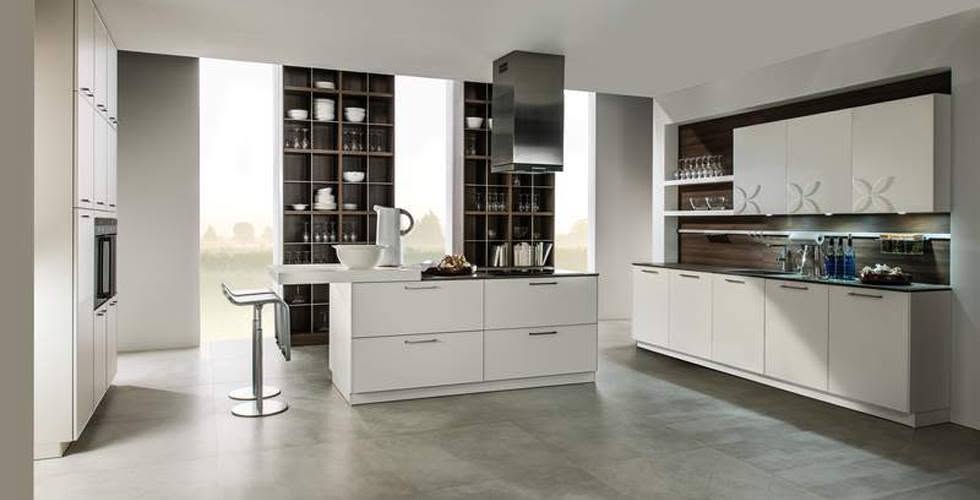

Kitchen cabinets account for 40-50% of total remodel budgets, making cabinet selection the most consequential design decision homeowners face. While standard options meet basic storage needs, high-end cabinetry transforms kitchens into lasting assets that enhance daily life and property value. Premium cabinets combine superior materials, advanced functionality, and timeless design, delivering benefits that extend far beyond aesthetics alone. Understanding what separates luxury from standard cabinetry empowers homeowners to make informed investment decisions.
For those considering premium cabinet upgrades, this comprehensive guide examines the features, costs, and returns that define high-end kitchen cabinetry in 2026.
High-end cabinets increase property value while delivering exceptional durability. Premium materials and construction withstand decades of daily use, with many manufacturers backing their products with lifetime warranties. Soft-close mechanisms reduce wear and tear while creating a refined, quiet operation that standard cabinets can't match.
The aesthetic impact is equally significant. Bespoke designs and superior finishes elevate the entire kitchen, creating a cohesive look that enhances the home's overall appeal. For homeowners prioritizing longevity over replacement cycles, luxury kitchen upgrades eliminate the need for future renovations.
Key Investment Benefits:
Premium materials define luxury cabinetry. Solid wood species, such as maple, cherry, walnut, and white oak, offer unmatched durability and natural beauty that engineered materials cannot replicate.
Construction quality separates luxury from standard cabinets. Solid wood drawer boxes feature dovetail joints for strength, while full-height back panels and reinforced corners ensure structural integrity. Soft-close hinges and drawer slides eliminate slamming, protecting both the cabinet and its contents. The finish process involves multiple hand-sanding, staining, and glazing steps, creating surfaces that resist wear while maintaining their appearance for years.
These premium kitchen features justify the investment through performance that standard options simply cannot deliver.
Material Comparison:
| Material | Cost | Durability | Maintenance | Longevity |
| Solid Wood (Maple, Cherry, Walnut) | High | Excellent | Low | 50+ years |
| Plywood | Medium-High | Very Good | Low | 30-40 years |
| MDF | Low-Medium | Good | Medium | 15-25 years |
| Particleboard | Low | Fair | High | 10-15 years |
The quality gap between luxury and standard cabinets is substantial. Premium cabinets use solid wood construction, where standard models rely on particleboard or MDF. This difference translates directly to lifespan; high-end cabinets last 50+ years while standard options typically need replacement after 15-20 years.
Cost reflects this disparity. Luxury cabinets command 3-5 times the price of standard options, but the custom kitchen investment pays dividends through superior performance, minimal maintenance, and higher resale value. Standard cabinets may meet immediate budget constraints, but frequent repairs and eventual replacement often equal or exceed the initial cost of premium alternatives.
Luxury vs. Standard Cabinet Comparison:
| Feature | Luxury Cabinets | Standard Cabinets |
| Material | Solid wood | Particleboard/MDF |
| Construction | Dovetail joints, reinforced | Stapled/glued joints |
| Hardware | Soft-close, premium | Basic hinges |
| Finish | Multi-step, hand-applied | Factory spray |
| Warranty | Lifetime | 1-5 years |
| Lifespan | 50+ years | 15-20 years |
| Cost Range | $500-1,500+ per linear foot | $100-300 per linear foot |
Modern luxury kitchens favor the slim shaker design. This contemporary interpretation features modest proportions and refined rails, bridging transitional and modern aesthetics without committing fully to either. The clean lines create visual calm while maintaining the architectural detail that makes shaker cabinets enduringly popular.
Flat-panel cabinets dominate upper cabinet installations, delivering a sleek, minimalist profile that maximizes visual space. Many designers combine both styles, slim shaker lowers with flat-panel uppers, creating sophisticated contrast while maintaining cohesion. View our residential portfolio to see how these styles perform in completed projects.
Popular Luxury Cabinet Styles:
Luxury cabinets transform kitchen workflow through intelligent design and integrated technology. Smart layouts position appliances strategically, refrigerator drawers in islands eliminate trips to perimeter units, while freezer drawers at the periphery optimize the work triangle. Custom features like sculpted hoods and specialized storage zones maximize efficiency in any kitchen remodeling project.
Technology integration elevates convenience to new levels. Touch-activated or voice-commanded opening systems provide hands-free operation when carrying groceries or handling food. Motion-sensor LED lighting illuminates work surfaces automatically, while smartphone control enables mood customization. Advanced systems monitor inventory through internal cameras, alerting homeowners to low supplies and auto-generating shopping lists.
Functional Enhancements in High-End Cabinets:
High-end cabinet pricing ranges from $500 to $1,500+ per linear foot, with full kitchen installations typically spanning $30,000 to $100,000+. The wide range reflects significant variation in materials, customization, and complexity.
Material selection drives base costs; solid exotic woods command premium prices over domestic species. Custom cabinets with specialized storage solutions add 20-40% to standard configurations. Complex installations requiring structural modifications, custom millwork, or integrated technology systems increase labor costs substantially. Design complexity matters: intricate inlay work, hand-applied finishes, and bespoke hardware elevate both material and labor expenses.
Factors Influencing High-End Cabinet Costs:
Deep jewel tones dominate 2026 luxury cabinet designs. Aubergine, dark browns, and rich navys replace the white-dominated decade past. Color-drenching, enveloping cabinets, walls, and trim in a single saturated hue creates immersive, dramatic spaces that signal confidence in design choices.
Material innovation balances sustainability with craftsmanship. Mesh and fabric inserts obscure pantry contents while adding textural sophistication. Designers pair recycled composites with traditional woods like cherry, bridging industrial sustainability and classic aesthetics. Hardware trends minimal, thin, refined pulls or handleless touch-to-open mechanisms keep focus on materials and form.
Natural wood finishes with moderate grain maintain appeal, with white oak leading lighter wood preferences. Explore more inspiration in our guide to luxury kitchen cabinet remodels.
2026 Luxury Cabinet Design Trends:
| Element | Trending Options | Application | Benefits |
| Colors | Deep jewel tones (aubergine, navy, chocolate) | Full-cabinet systems, islands | Creates drama, sophistication |
| Timeless whites (White Dove, Alabaster) | Primary cabinetry | Versatility, resale appeal | |
| Soft greys and greige | Modern transitional spaces | Balanced, calming aesthetic | |
| Materials | Solid white oak | Contemporary kitchens | Light grain, durability |
| Walnut, cherry | Traditional luxury spaces | Rich character, warmth | |
| Recycled composites | Eco-conscious designs | Sustainability statement | |
| Inserts | Mesh, fabric | Butler's pantries, uppers | Sophisticated concealment |
| Seeded glass, tambour | Display zones | Textural interest | |
| Hardware | Minimal/integrated | Modern designs | Clean lines |
| Thin brass, black pulls | Transitional spaces | Refined detail | |
| Technology | Touch-to-open | Handleless designs | Seamless aesthetic |
| Smart LED systems | All applications | Customizable ambiance |
Premium cabinetry consistently ranks among the highest-ROI kitchen improvements. Luxury cabinets signal overall home quality to buyers, elevating perceived value beyond the kitchen itself. Real estate data shows kitchens with high-end cabinetry sell faster and command 5-10% price premiums in competitive markets.
The investment typically returns 60-80% upon resale, with higher returns in luxury home markets where buyers expect premium finishes. Beyond direct ROI, quality cabinets reduce buyer objections during showings; dated or worn cabinetry frequently triggers renovation negotiations that decrease final sale prices. High-end cabinets eliminate this friction point while positioning the home as move-in ready for discerning buyers.
Estimated ROI for High-End Cabinet Investment:
| Kitchen Size | Investment Range | Expected Resale Value Added | Approximate ROI |
| Small (100-150 linear ft) | $30,000-$45,000 | $20,000-$32,000 | 65-70% |
| Medium (150-200 linear ft) | $45,000-$70,000 | $32,000-$50,000 | 70-75% |
| Large (200-250 linear ft) | $70,000-$100,000 | $50,000-$75,000 | 70-80% |
| Luxury (250+ linear ft) | $100,000+ | $75,000-$100,000+ | 75-85% |
Market Impact Factors:
Leading luxury cabinet manufacturers distinguish themselves through superior materials, precision craftsmanship, and comprehensive warranties. European brands dominate the ultra-premium segment, while American manufacturers offer exceptional quality at slightly lower price points.
Selection criteria extend beyond aesthetics, lead times, customization capabilities, and after-sales support vary significantly between manufacturers. Established brands provide design flexibility and proven durability, while emerging makers often deliver innovative features and contemporary design languages at competitive pricing.
Top High-End Cabinet Brands:
Selection begins with understanding how cabinet choices affect daily experience. White and off-white cabinets expand perceived space while promoting focus, ideal for smaller kitchens and baking-focused cooks. Dark tones (navy, black, charcoal) create sophistication and intimacy but require careful application in compact spaces. Grey tones reduce stress and offer versatility, while natural wood connects to nature, promoting comfort and confidence.
Material selection balances aesthetics with practical needs. Solid wood delivers unmatched longevity and character, while high-grade plywood offers stability at lower cost. Consider mixing storage types, closed cabinets conceal clutter while open shelving displays curated items and provides quick access to frequently used pieces. Maintain cohesion through consistent finishes and balanced layouts. Evaluate lifestyle demands: families prioritize durability and easy maintenance, while entertainers value display opportunities and smart storage solutions.
Key Selection Factors for High-End Cabinets:
High-end kitchen cabinets justify their premium cost through superior materials, exceptional craftsmanship, and decades-long durability. The investment delivers measurable returns, 60-80% ROI upon resale, faster sales, and elevated home positioning in competitive markets. Beyond financial metrics, luxury cabinets transform the daily kitchen experience through smart technology, refined operation, and timeless aesthetics.
The decision depends on the timeline and priorities. Homeowners planning 10+ years of residence benefit most from premium cabinetry's longevity and performance. Those selling within 5 years might achieve better returns through mid-tier upgrades unless the home's price point demands luxury finishes. Budget constraints shouldn't force all-or-nothing choices; strategic investment in high-traffic zones with quality materials elsewhere balances cost and impact.
Pros of High-End Cabinet Investment:
Cons of High-End Cabinet Investment:
Ready to transform your kitchen with premium cabinetry? Contact our design team at Bradco Kitchen to explore custom solutions tailored to your space, style, and budget.
 Jessica Kienzl
BOOK AN APPOINTMENT