
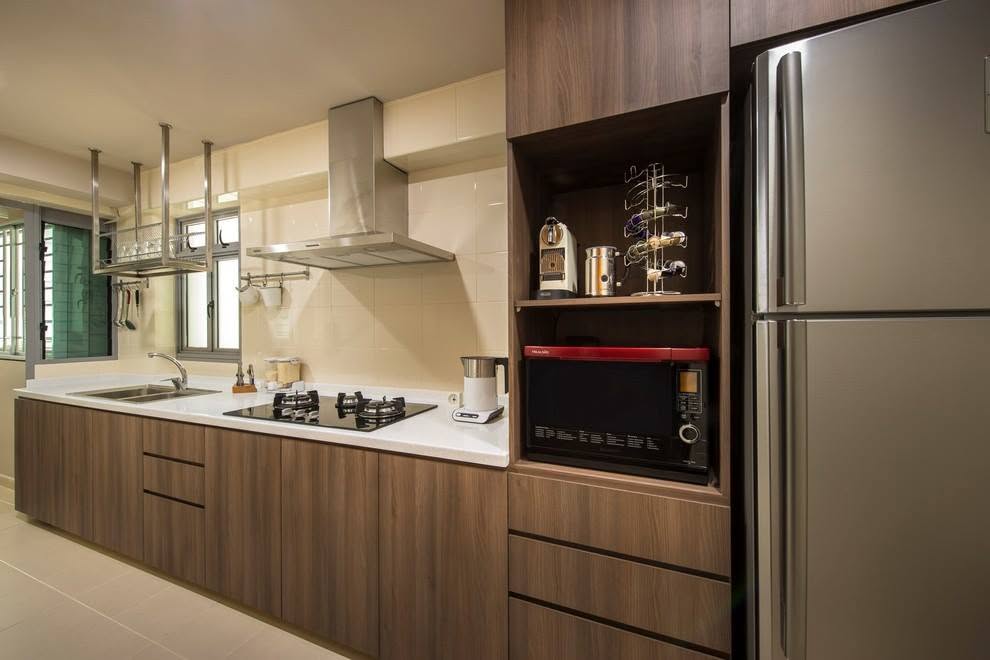
PaperStoneAn eco-friendly countertop made from recycled paper and resin for a dense, smooth finish. countertops have emerged as a compelling alternative in the sustainable building materials market. The global countertopA horizontal surface installed on base cabinets for prep, storage, or display. market reached USD 131.42 billion in 2024, and sustainable options now account for 30% of total sales. Consumers increasingly prioritize environmental impact alongside traditional factors like durability and aesthetics. PaperStone addresses this shift by combining post-consumer recycled content with practical performance that rivals conventional countertop surfaces.
We cover how PaperStone is made, why homeowners and design professionals are choosing it, how its market share compares with other sustainable materials, and the practical trade-offs to weigh before installing it in a Los Angeles kitchen.
Key Takeaways
PaperStone countertops are solid surfaces manufactured from compressed recycled paper and non-petroleum resins. The material offers a warm textureThe tactile or visual surface quality of materials in a space. similar to soapstoneA smooth, heat-resistant stone with a soft matte texture, often dark in color. while delivering the durability expected from engineered surfaces.
This composite material was specifically developed as an eco-friendly alternative to traditional stone. The manufacturing process transforms discarded paper products into dense, non-porous slabs suitable for kitchen and bath applications.
PaperStone consists of recycled paper saturated with phenolic resins and natural pigments. The saturated paper layers are then compressed under extreme heat and pressure.
This compression process bonds the materials into a dense, structurally sound slabA large piece of natural or engineered material used to fabricate countertops.. The resulting surface exhibits uniform density throughout and requires no additional sealingThe process of applying a protective layer to prevent moisture and stain absorption. during production.
PaperStone is made from 100% post-consumer recycled paper saturated with proprietary petroleum-free phenolic resins. Natural pigments provide color options within the material’s characteristic medium to dark palette.
The phenolic resin system contains no formaldehyde or volatile organic compounds. This composition allows PaperStone to meet NSF food-safe certification standards without compromising structural integrity.
PaperStone surfaces are non-porous, preventing bacterial growth and simplifying daily cleaning routines. The material’s large sheet sizes enable virtually seamless installations that minimize visible joints.
The surface develops a natural patina over time that many homeowners find aesthetically appealing. PaperStone works with standard woodworking tools, making it accessible for DIY installations and custom fabricationThe process of crafting one-of-a-kind millwork or cabinets per design specifications..
Homeowners select PaperStone countertops because the material aligns with sustainability values without sacrificing performance. Approximately 55% of homeowners explicitly prioritize environmental impact when making renovation decisions.
The material satisfies multiple priorities, including low maintenance requirements and a unique aesthetic character. Design professionals increasingly recommend PaperStone for projects where non-toxic materials support healthier indoor environments.
Ninety percent of homeowners choose at least one sustainable option during kitchen renovations. Consumers demonstrate a willingness to pay an average premium of 26% for sustainable products.
Some demographics show readiness to pay up to 44% more for verifiable eco-friendly options. PaperStone diverts post-consumer paper waste from landfills while eliminating petroleum-based components found in conventional composites.
PaperStone requires minimal daily maintenance due to its non-porous surfaceA material that does not absorb liquids, making it more hygienic and easy to clean. that resists staining. The material withstands normal kitchen activities, including cutting, chopping, and moderate heat exposure.
Periodic application of natural oils or waxes maintains the surface appearance and enhances water resistance. This durable countertop material typically lasts decades with proper care, reducing replacement frequency.
PaperStone offers a distinctive matte finishA soft, low-sheen finish popular in contemporary designs. with subtle color variations that create visual depth. The texture feels warm and soft to the touch, contrasting with cold stone surfaces.
The material’s appearance becomes richer over time as the patina develops naturally through use. This evolving characteristic appeals to homeowners who prefer surfaces that age gracefully rather than show wear.
PaperStone occupies a significant position within the rapidly expanding sustainable countertop segment. The green building materials market reached USD 285.89 billion in 2024 and continues to grow, a trend explored further in our guide to sustainable green kitchen design for LA homes.
Sustainable kitchen countertops currently represent approximately 30% of the total countertop market. PaperStone competes alongside several other eco-friendly materials that address different aesthetic and functional preferences.
Several composite and natural materials compete in the same sustainable segment as PaperStone, each with a distinct composition and a different ideal use case.
| Material | Composition | Typical Application |
| PaperStone | Recycled paper with petroleum-free phenolic resin | Warm, matte surfaces with a developing patina |
| Recycled Glass | Post-consumer glass mixed with cement or resin binders | Bold color and texture accents |
| Bamboo | Sliced bamboo stalks laminated with non-toxic adhesives | Warm wood-look kitchens on a budgetThe financial plan detailing project costs and allowances. |
| Reclaimed WoodSalvaged wood repurposed for countertops or islands, emphasizing sustainability. | Salvaged lumber, cleaned and milled into planks | Rustic or farmhouse-style kitchens |
Sustainable kitchen countertops account for approximately 30% of the total countertop market in 2024. Within that sustainable sub-market, share breaks down as follows.
| Material | Sustainable Sub-Market Share |
| Bamboo | 25% |
| Recycled Glass | 22% |
| PaperStone | 18% |
| Reclaimed Wood | 12% (niche luxury segment) |
Design-forward homeowners seeking unique aesthetic qualities represent PaperStone’s core demographic. DIY enthusiasts appreciate the material’s workability with standard woodworking tools and accessible fabricationThe process of cutting, shaping, and finishing countertop slabs before installation. requirements.
Environmentally conscious professionals prioritizing non-toxic indoor environments frequently select PaperStone for kitchen renovations. Millennials and Generation X show higher receptivity, with 78% and 73% respectively considering alternative materials.
PaperStone countertops present specific constraints that influence suitability for different kitchen applications. Understanding these limitations helps homeowners make informed decisions aligned with their cooking habits and aesthetic preferences.
Material constraints affect heat tolerance, color selection, and ongoing maintenance requirements. These factors deserve consideration alongside the environmental and aesthetic benefits when evaluating low-maintenance kitchens.
PaperStone demonstrates heat resistanceThe ability of a surface to withstand exposure to high temperatures without damage. only up to 350°F, requiring trivets for hot cookware. This temperature thresholdThe strip placed at doorways to cover gaps between flooring transitions. falls below the tolerance of natural stoneCountertop material sourced from nature, including granite, marble, quartzite, and soapstone. or engineered quartzA non-porous, engineered surface made from crushed quartz and polymer resins. surfaces.
PaperStone remains limited to medium and dark color palettes due to the recycled paper base. Light or white color options remain unavailable, restricting design flexibility for certain aesthetic directions.
PaperStone requires periodic sealing with natural oils or waxes to maintain optimal water resistance. This maintenance schedule typically occurs every few months depending on surface usage intensity.
The sealing process remains straightforward but represents an ongoing commitment, unlike completely maintenance-free alternatives. Neglecting periodic treatment can result in gradual moisture absorption and surface dulling over time.
Seventy-two percent of homeowners prioritize long-term valueThe lightness or darkness of a color affecting contrast and tone. over initial purchase price when selecting materials. PaperStone’s durability and low replacement frequency support favorable lifecycle cost analysis despite a higher upfront investment.
| Material Tier | Installed Price RangeA combined cooking appliance featuring both a cooktop and oven. | Market Position |
| Budget laminate | Below $75 per sq. ft. | Entry-level, shorter lifespan |
| PaperStone | $75 – $125 per sq. ft. | Mid-range to premium |
| Mid-grade natural stone | Comparable to PaperStone | Premium, higher maintenance |
Generational attitudes toward alternative countertop materials significantly affect PaperStone adoption rates across demographic segments. Younger generations demonstrate markedly higher openness to non-traditional surfaces compared to older homeowners.
Regional preferences and design trend awareness also shape material selectionThe process of choosing finishes, fixtures, and furnishings for a remodel. patterns in renovation projects. Understanding these factors helps explain PaperStone’s growing presence in certain markets and demographic groups.
Generation Z shows 94% seeking cost-effective options, while 86% would consider alternative composite materials. This generation views traditional stone countertops as high maintenance, with 98% agreement on this perception.
Millennials demonstrate a 78% willingness to consider alternative materials beyond conventional graniteA natural igneous stone prized for durability and distinctive grain patterns. or marbleA luxurious natural stone known for its veining and classic elegance.. Generation X shows 73% openness to alternative materials, balancing traditional preferences with practical sustainability considerations.
Urban populations show a higher preference for modern materials, including recycled composites and engineered surfaces. Space constraints in urban kitchens often drive demand for highly functional, multi-purpose surfaces.
Suburban and rural populations lean toward natural aesthetics, including wood and traditional stone surfaces. These preferences align with farmhouse and rustic designA style emphasizing raw, natural materials and organic textures. trends popular in non-urban residential construction.
Preference share among countertop materials continues to shift as engineered and composite options gain ground on traditional stone.
| Material | Preference Share | Growth Trend |
| Engineered quartz | 39% | Fastest-growing, 8.1% CAGR |
| Granite | 19% | Stable |
| QuartziteA natural metamorphic stone that combines beauty with hardness similar to granite. | 11% | 7.2% CAGR |
| Butcher blockA wood countertop made from thick, laminated strips of hardwood for warmth and texture. / wood | 9% | Steady niche demand |
PaperStone countertops contribute to improved indoor air quality through their non-toxic composition and zero off-gassing characteristics. This material addresses growing consumer awareness regarding chemical exposure in residential spaces.
Many engineered surfaces overlook emission profiles during the use phase. PaperStone’s formaldehyde-free and VOC-free certification provides verifiable health benefits beyond environmental considerations.
PaperStone carries NSF food-safe certification, meeting stringent standards for direct food contact surfaces. The material contains zero formaldehyde and emits no volatile organic compounds during its lifecycle.
This non-toxic profile makes PaperStone particularly suitable for households with chemical sensitivities or health concerns. Certified food-safe surfaces eliminate concerns about chemical migration into food during meal preparation.
PaperStone emits no volatile organic compounds, preventing indoor air quality degradation common with petroleum-based materials. The petroleum-free resin system eliminates off-gassing that occurs with conventional composite countertops.
This zero-emission characteristic supports healthier indoor environments, particularly important for enclosed kitchen spaces. Improved air quality benefits become especially relevant in homes with children, elderly residents, or respiratory sensitivities.
PaperStone’s non-porous surface prevents bacterial colonization by eliminating the moisture absorption that supports microbial growth. The dense surface structure resists harboring foodborne pathogens between cleaning cycles.
While not actively antimicrobial, the material’s impermeability provides passive protection through physical barrier properties. Regular cleaning with standard household cleaners maintains hygienic conditions without specialized antimicrobial treatments.
Selecting PaperStone countertops requires evaluating multiple factors beyond initial aesthetic appeal and environmental credentials. Homeowners must assess whether the material’s characteristics align with their specific kitchen usage patterns, a comparison covered in our guide to eco-design and green building materials.
Consideration of long-term value, installation requirements, and lifestyle compatibility ensures satisfaction with the investment. Homeowners weighing paper-composite materials against natural stone can find a broader material breakdown in our roundup of sustainable kitchen materials for LA remodeling.
Initial material and installation costs must be weighed against expected lifespan and maintenance requirements. PaperStone’s decades-long durability reduces replacement frequency compared to budget alternatives that require more frequent renewal.
Lower maintenance demands translate to reduced long-term ownership costs despite higher upfront investment. Calculating total cost of ownership over 20 to 30 years provides a clearer value comparison than purchase price alone.
PaperStone’s compatibility with standard woodworking tools reduces fabrication complexity and associated labor costs. Large sheet sizes enable seamless installations that minimize visible joints and create cleaner aesthetic lines.
Professional installation ensures proper edge finishing and seam placementThe strategic positioning of seams to maintain aesthetic continuity. for optimal appearance and performance. DIY-capable homeowners can undertake installations with appropriate tools and careful measurement, reducing overall project costs.
Fifty-five percent of homeowners explicitly prioritize environmental impact when selecting renovation materials. PaperStone appeals most strongly to this demographic, which seeks verifiable sustainability credentials without aesthetic compromise.
Design-conscious consumers who value unique character and an evolving patina find PaperStone particularly attractive. Households prioritizing non-toxic materials for health reasons represent another core customer segment for this material.
The global countertop market was valued at approximately USD 131.42 billion in 2024. Market projections expect this sector to reach USD 185.41 billion by 2032 and potentially USD 236.2 billion by 2035.
The compound annual growth rate averages 5.3% across various forecasts and methodologies. The green building materials market reached USD 285.89 billion in 2024, demonstrating accelerating demand for sustainable construction products, including options covered in our guide to eco-friendly kitchen remodels for Los Angeles homes.
PaperStone’s 18% share of the sustainable sub-market positions it competitively within this expanding sector. Material innovation continues driving adoption as manufacturers refine formulations and expand color offerings within technical constraints.
Consumer education regarding material benefits and proper maintenance supports continued market penetration. For homeowners comparing PaperStone against other options, our resource on how to choose the right countertops for your Los Angeles kitchen offers a fuller side-by-side breakdown.
PaperStone countertops represent a maturing segment of the sustainable building materials market with a strong growth trajectory. The material successfully balances environmental responsibility with the practical performance that homeowners expect from kitchen surfaces.
As sustainable construction practices become standard rather than exceptional, materials like PaperStone gain mainstream acceptance. The combination of recycled content, non-toxic composition, and distinctive aesthetic character positions this material favorably for continued market growth.
Bradco Kitchens & Baths has guided Los Angeles homeowners through kitchen and bathroom remodels for over 40 years, pairing an in-house design-to-installation process with a genuine focus on healthy, sustainable materials. Our design specialists work with PaperStone, PureBond formaldehyde-free plywood, and other low-VOC and zero-VOC surface options, so you can weigh the look, feel, and long-term performance of each material in person before you commit.
Whether you are drawn to PaperStone’s warm matte finish or want to compare it against quartz, granite, or reclaimed wood, our showroom team can walk you through samples, pricing, and maintenance expectations for your specific kitchen. Visit our pricing page for a general sense of investment ranges, then request a kitchen remodeling consultation to get project-specific numbers.
Call us at (323) 310-4049 or contact Bradco Kitchens & Baths today! Our licensed and insured team is ready to help you choose a countertop material that fits your style, budget, and health priorities.
A. PaperStone typically costs $75 to $125 per square foot installed, which overlaps with mid-grade natural stone and sits above budget laminate. Because it resists staining, requires no resealingRegular maintenance of natural stone surfaces to maintain protection. beyond periodic oiling, and can last decades with care, many homeowners find the lifecycle cost comparable to or better than granite once replacement and sealing schedules are factored in. The right choice depends on your color preferences, since PaperStone is limited to medium and dark tones, and your tolerance for periodic oil or wax maintenance.
A. PaperStone is manufactured as a dense, non-porous slab that performs well in bathroom vanities, where moisture exposure is common. Outdoor use requires more caution, since the material has a heat resistance ceiling of 350°F and was not developed for prolonged direct sun and weather exposure. A design specialist can review your specific application, including outdoor kitchenA fully functional cooking area designed for outdoor use. plans, before you finalize a material choice.
A. PaperStone needs periodic oiling or waxing, typically every few months depending on how heavily the surface is used, to maintain water resistance and appearance. Daily care is simple: wipe with standard household cleaners, since the non-porous surface resists staining and does not require harsh chemicals. Skipping the periodic oil treatment can lead to gradual moisture absorption and surface dulling, so it is worth setting a reminder for maintenance every few months.
A. Yes. Bradco Kitchens & Baths offers PaperStone alongside quartz, granite, PaperStone alternatives like recycled glass, and other countertop surfaces as part of our full-service kitchen and bathroom remodeling processThe step-by-step sequence of planning, designing, and executing a renovation project.. Our in-house design and installation team, based in Los Angeles for over 40 years, can show you PaperStone samples in our showroom and help you evaluate it against other sustainable and traditional materials for your project.
A. PaperStone is limited to medium and dark color palettes because of its recycled paper base, so light or white finishesThe final surface treatments applied to materials for protection and visual appeal. are not available. Available tones range through warm browns, charcoals, and deep greens and blues, depending on the pigments used during manufacturing. Homeowners who want a lighter kitchen palette typically pair PaperStone with lighter cabinetryBuilt-in furniture designed for storage, including kitchen, bath, and custom installations. or backsplashA vertical surface behind the countertop that protects the wall from moisture and stains. tile to balanceThe visual equilibrium achieved through symmetry or asymmetry in layout. the countertop’s deeper tones.
 Jessica Kienzl
BOOK AN APPOINTMENT